



CSR ACTIVITIES
Empowering communities, protecting the environment, and building a better tomorrow.

20+
CSR
Initiatives

15+
Cleanliness
Drives

1
Adopted
a Village

3+
Blood
Donation Camps

110+
Trees
Planted
Introduction
The CSR Club at ISME, Miles of Smiles, is dedicated to contributing meaningfully to society beyond the institute’s academic pursuits. It focuses on integrating ethical values, social awareness, and sustainability into community engagement initiatives. ISME actively promotes CSR by encouraging students to participate in social outreach programs, environmental initiatives, and community development activities such as tree plantation drives, health camps, skill-building workshops, and donation campaigns.
- ISME has adopted a village as part of its long-term social impact commitment.
- The CSR Club works consistently toward community upliftment in the adopted village.
- The club organizes awareness drives and cleanliness workshops to educate and empower villagers.
- These initiatives promote better living conditions and sustainable practices.
- ISME conducts regular blood donation camps in collaboration with the Bangalore Medical Services Trust (BMST).
- These efforts reinforce ISME’s dedication to public health and social responsibility.
Through these initiatives, the institute not only nurtures socially responsible individuals but also strengthens its bond with the community. CSR activities help students develop empathy, leadership skills, and a strong sense of accountability toward societal challenges, aligning education with meaningful social impact and truly creating “miles of smiles.”
Recent Engagements of Our Students
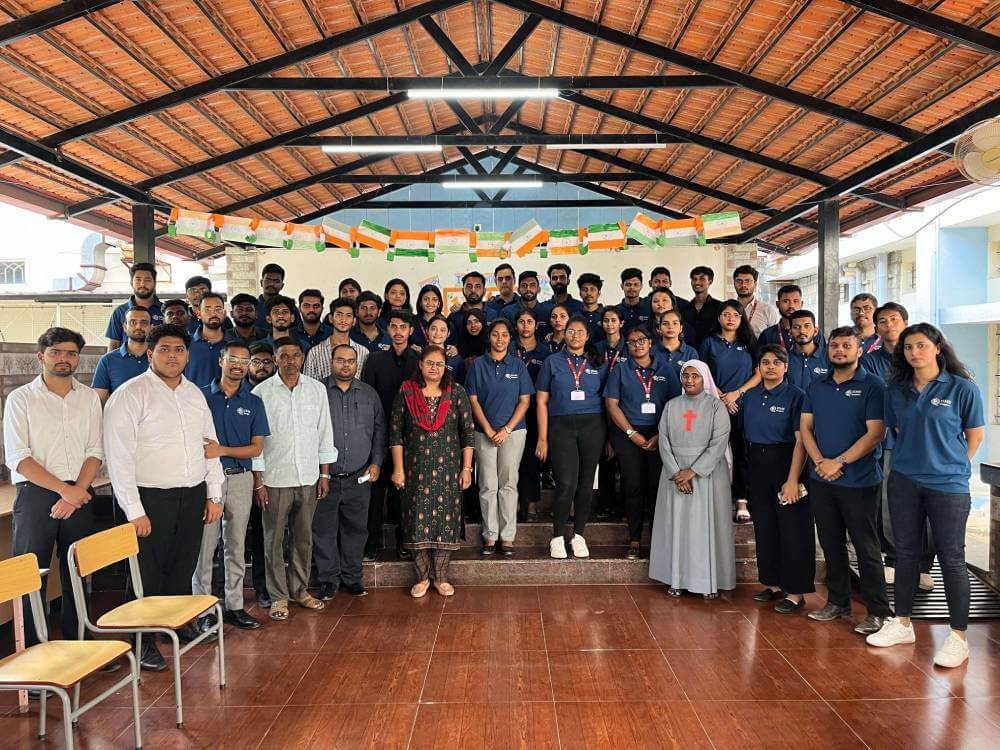
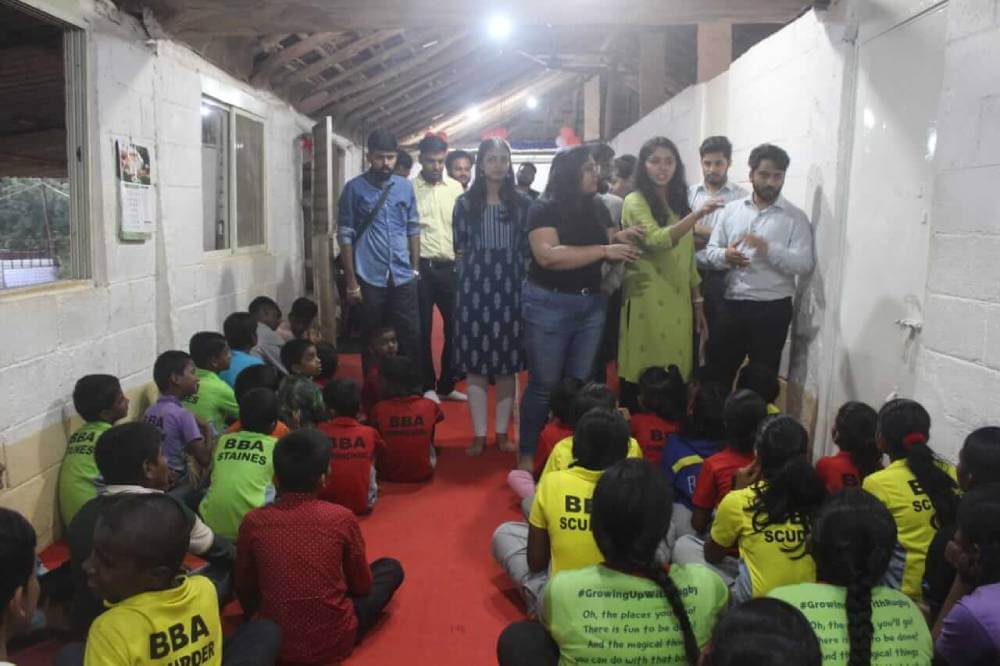
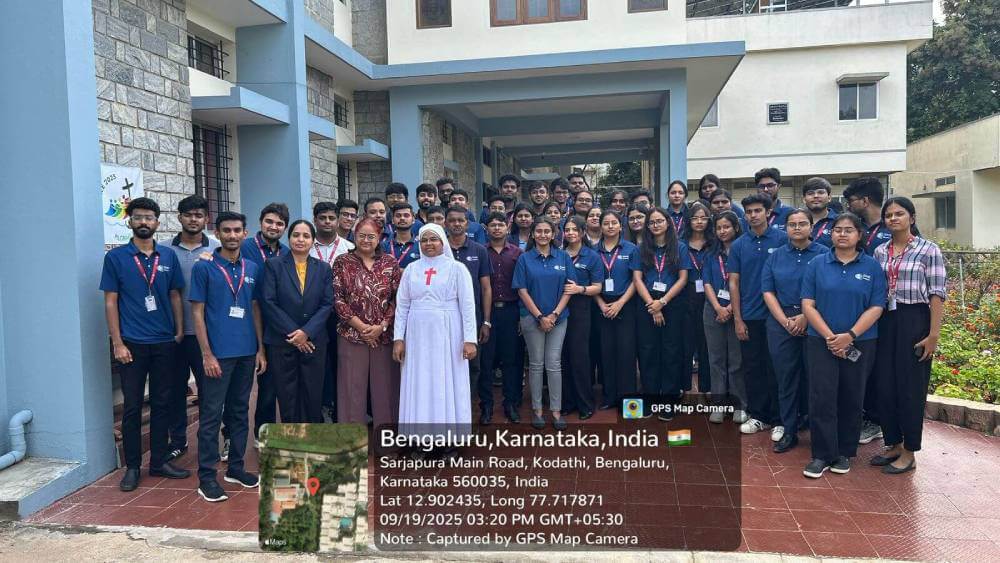
A visit to an orphanage offers students a powerful real-world perspective on empathy, social responsibility, and inclusive development. It helps them understand grassroots challenges and the impact of resource constraints on communities. Such experiences build essential skills like emotional intelligence, leadership, communication, and ethical decision-making. Overall, it shapes more socially aware and responsible future managers who can balance business goals with societal well-being.
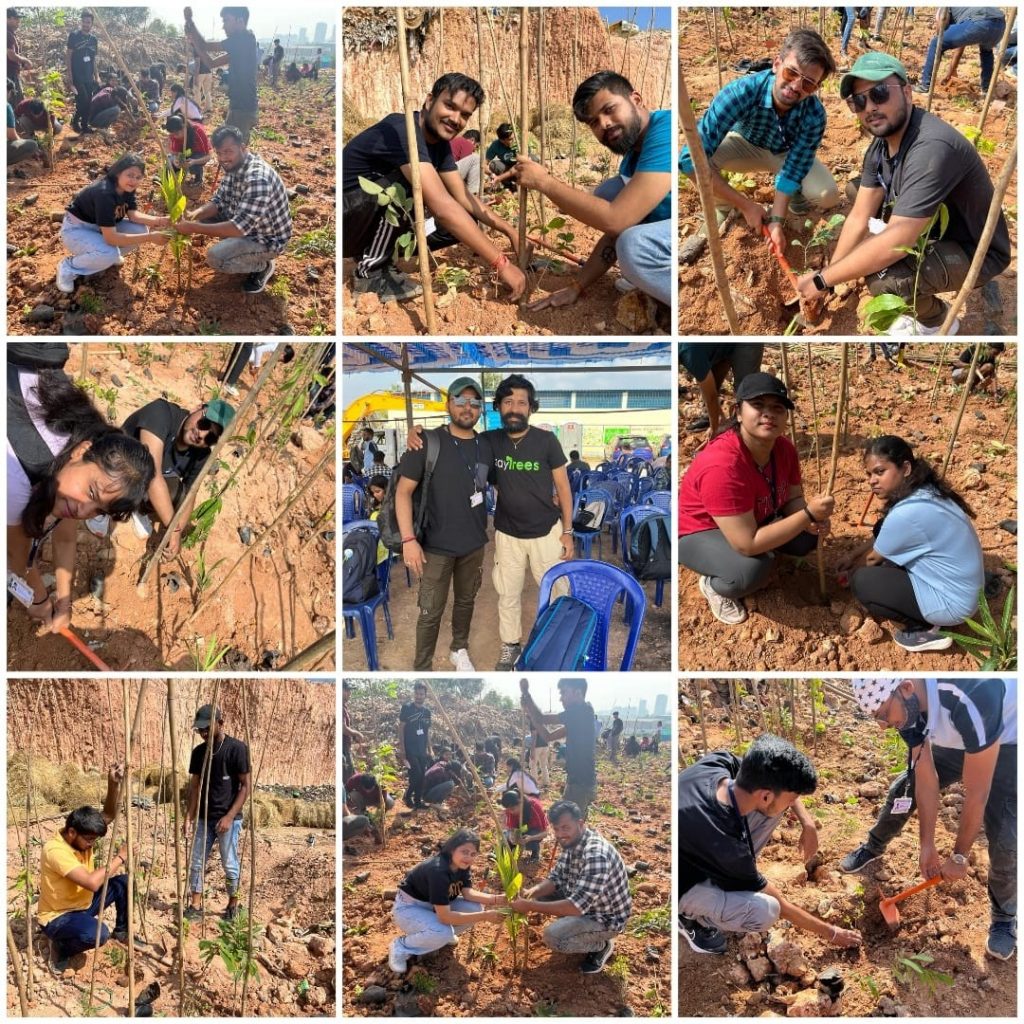
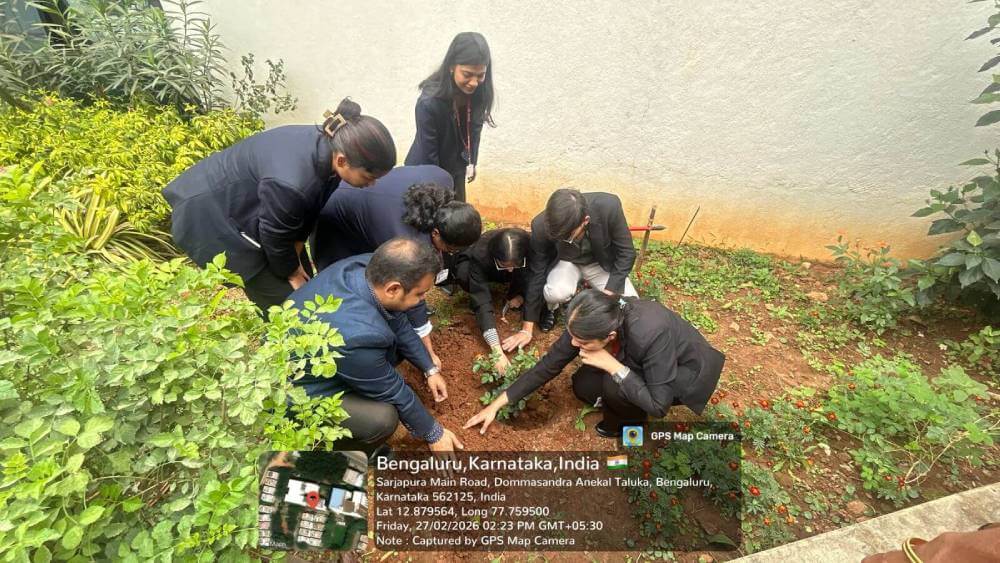
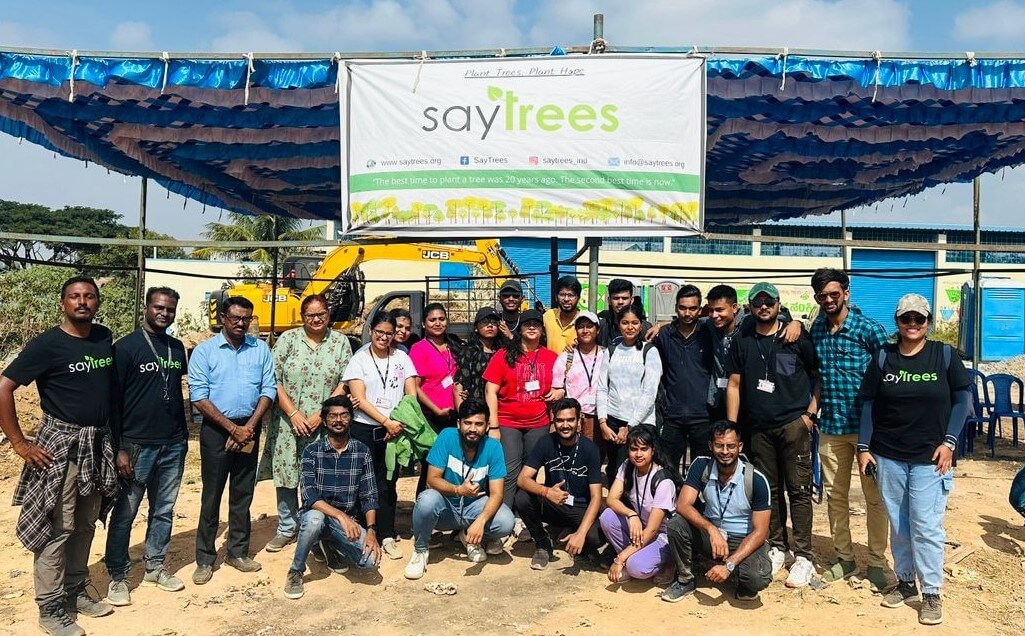
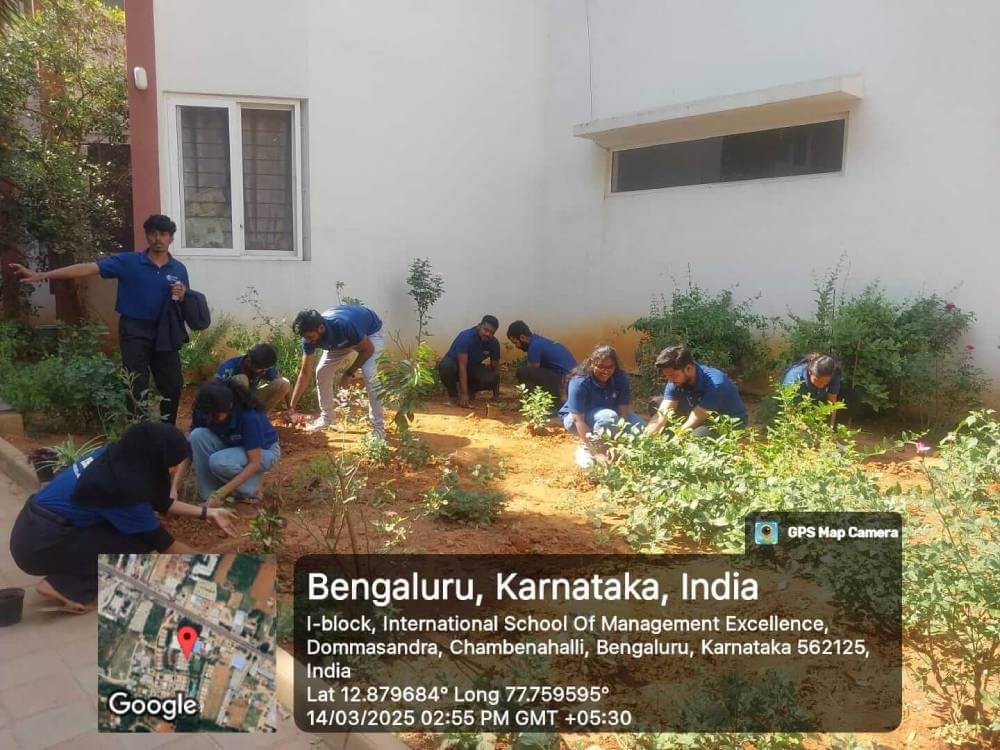
Organizing a tree plantation drive provides students practical exposure to project planning, teamwork, and community engagement. It builds awareness about sustainability and environmental responsibility while strengthening coordination and leadership skills. Students learn to manage resources, collaborate with stakeholders, and execute initiatives with long-term impact. Such activities contribute to their overall development by shaping them into environmentally conscious leaders who can integrate sustainability into business decisions.
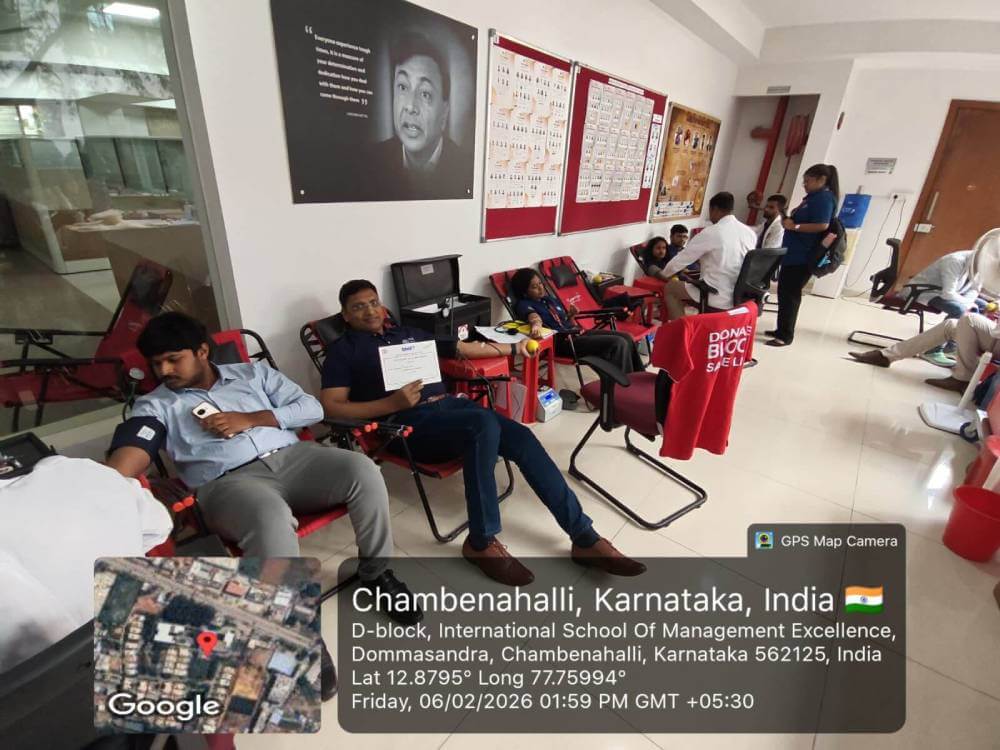
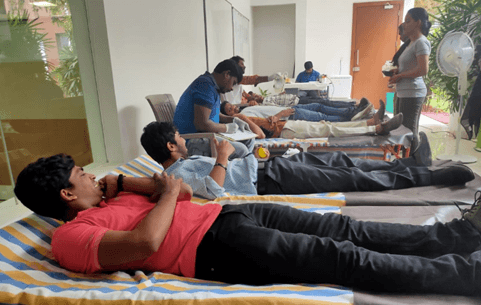
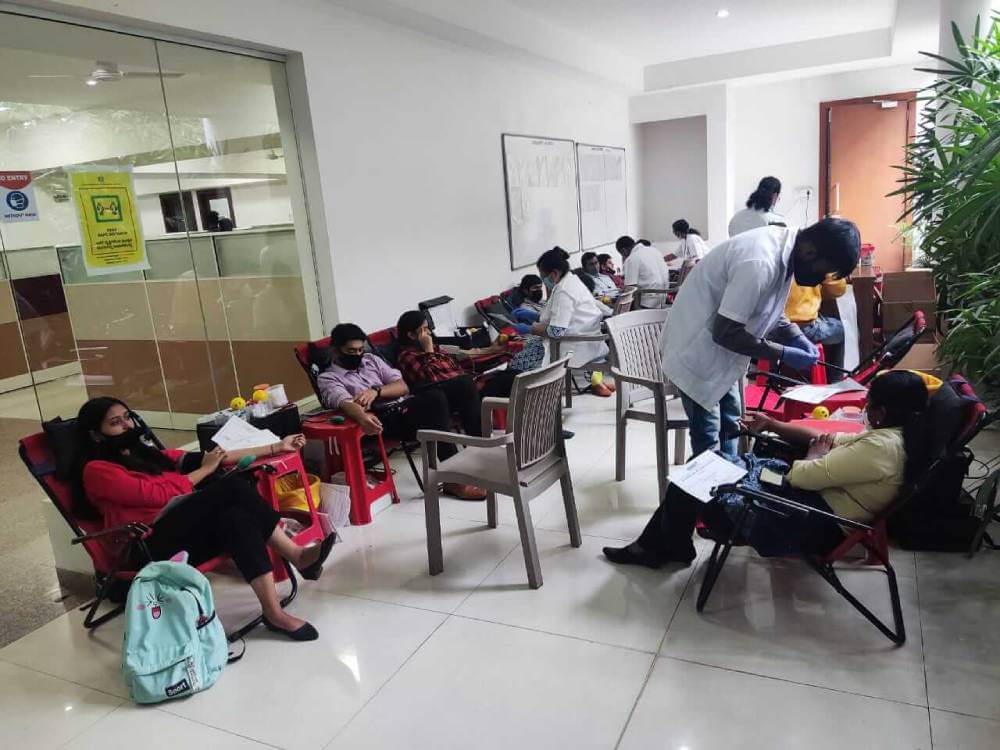
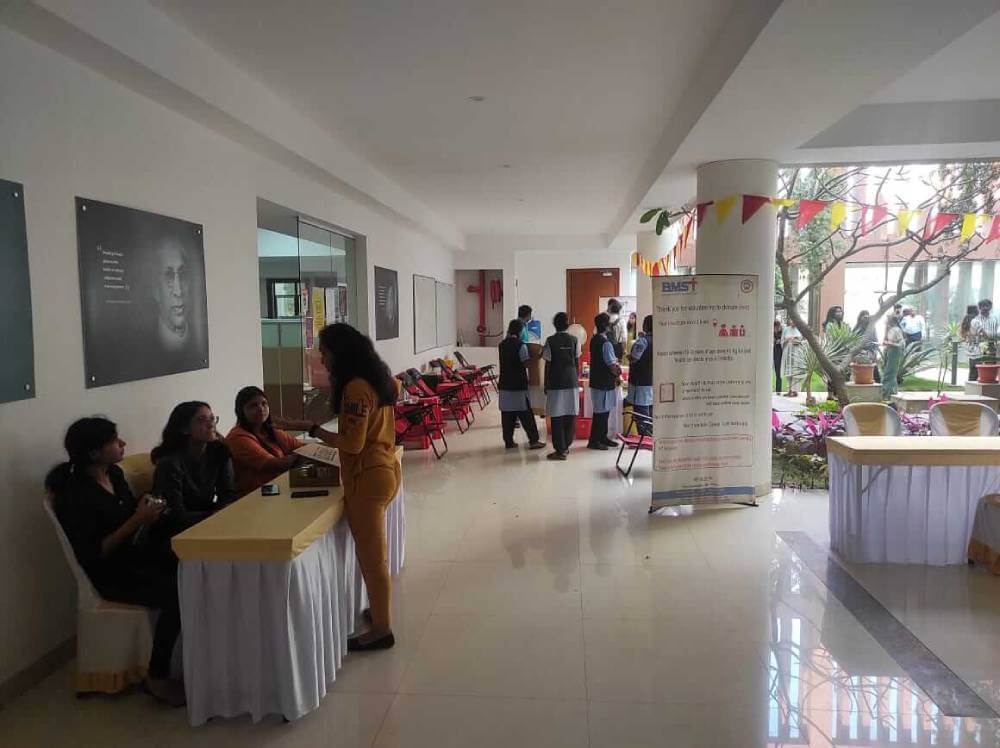
The students organize Blood donation camp every year to get a hands-on experience in planning, coordination, and stakeholder management. It fosters a sense of social responsibility while enhancing skills like teamwork, communication, and crisis handling. Students learn to mobilize resources, engage donors, and manage logistics efficiently under real-world constraints. Such initiatives contribute to their overall development by shaping them into responsible leaders who value both organizational goals and community welfare.
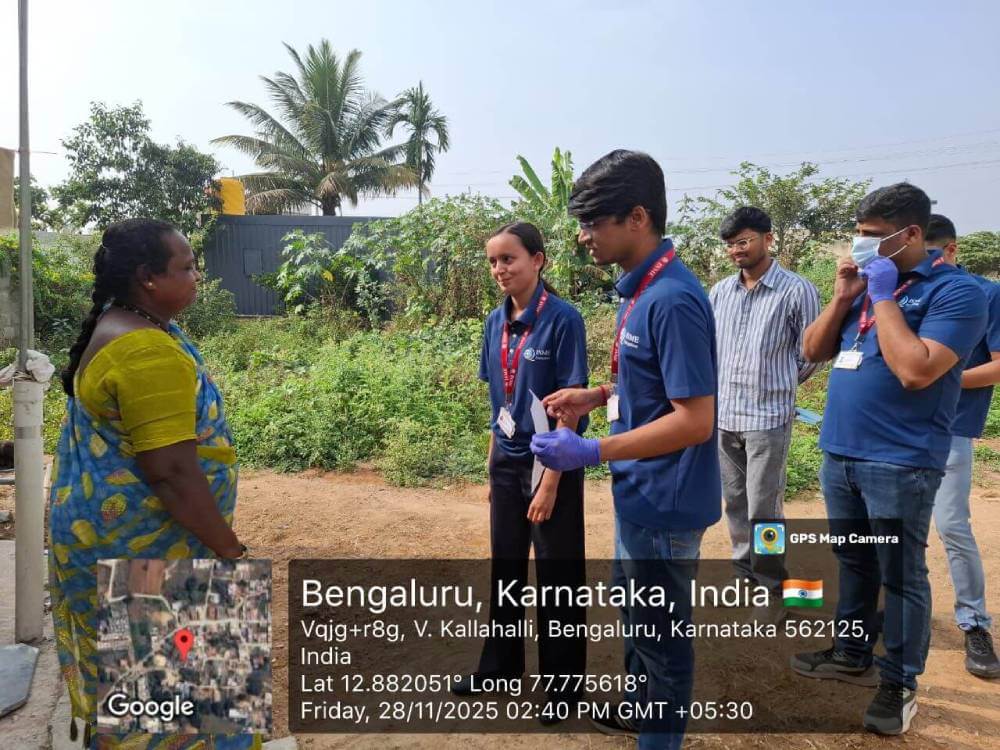
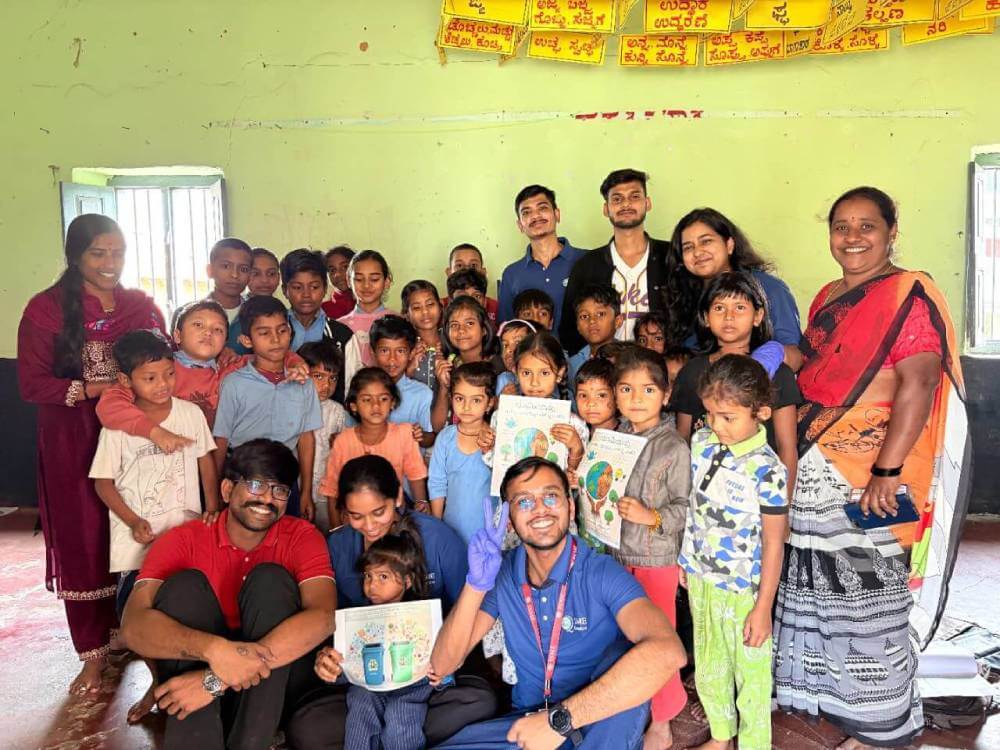
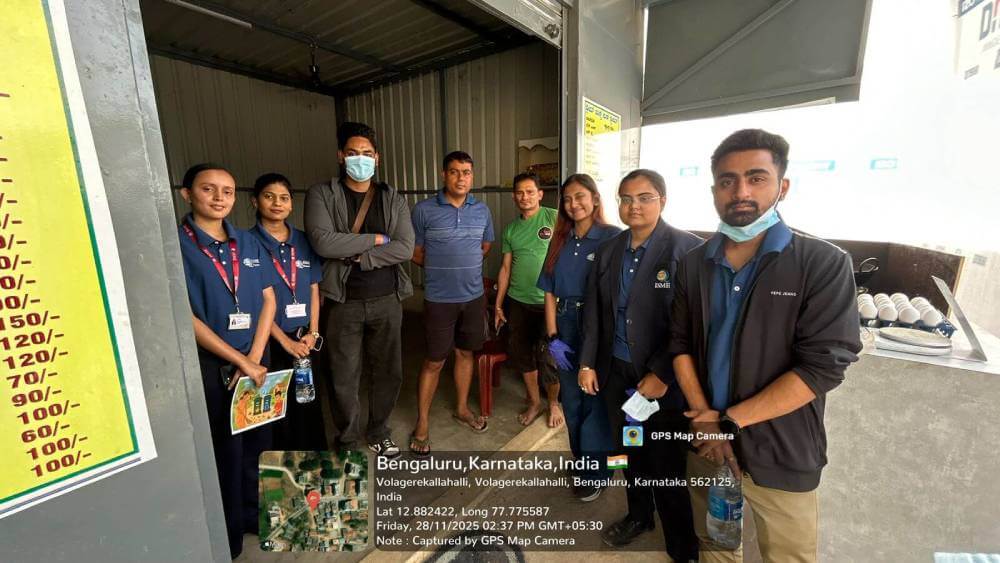
Adopting a village and conducting initiatives like awareness campaigns, waste segregation drives, and school education programs provide students with deep grassroots exposure and a strong sense of social responsibility. It helps them understand rural challenges, behavioral change, and the importance of sustainable practices in community development. Through these activities, students enhance skills such as leadership, communication, problem-solving, and stakeholder engagement. Overall, such experiences shape socially conscious managers who can drive inclusive growth while aligning business strategies with community needs.
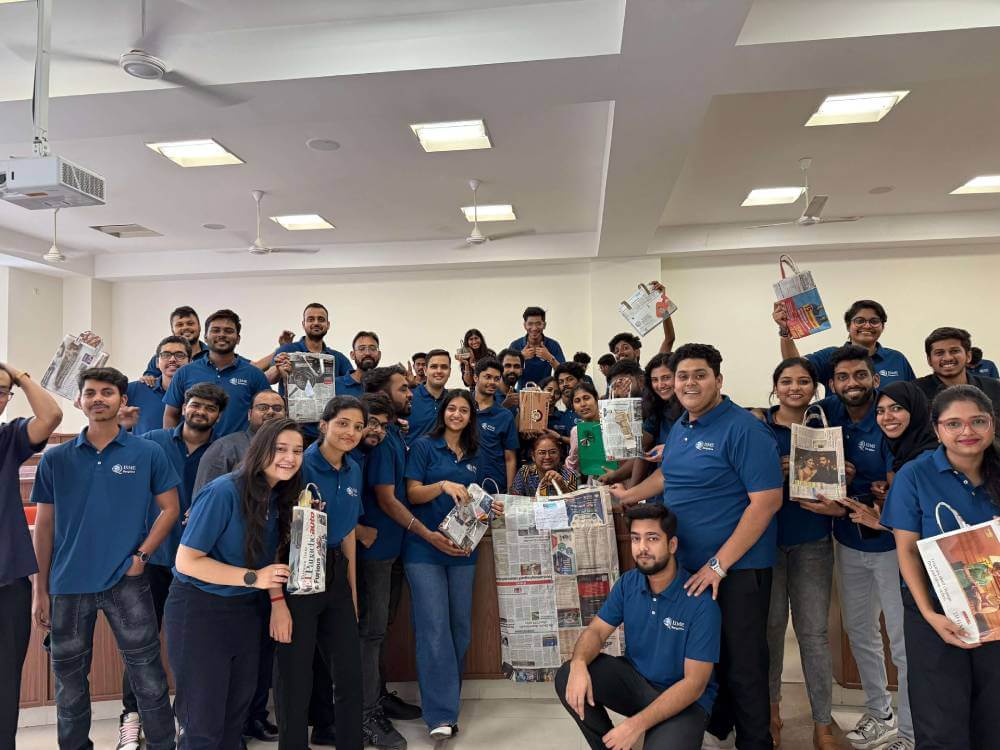
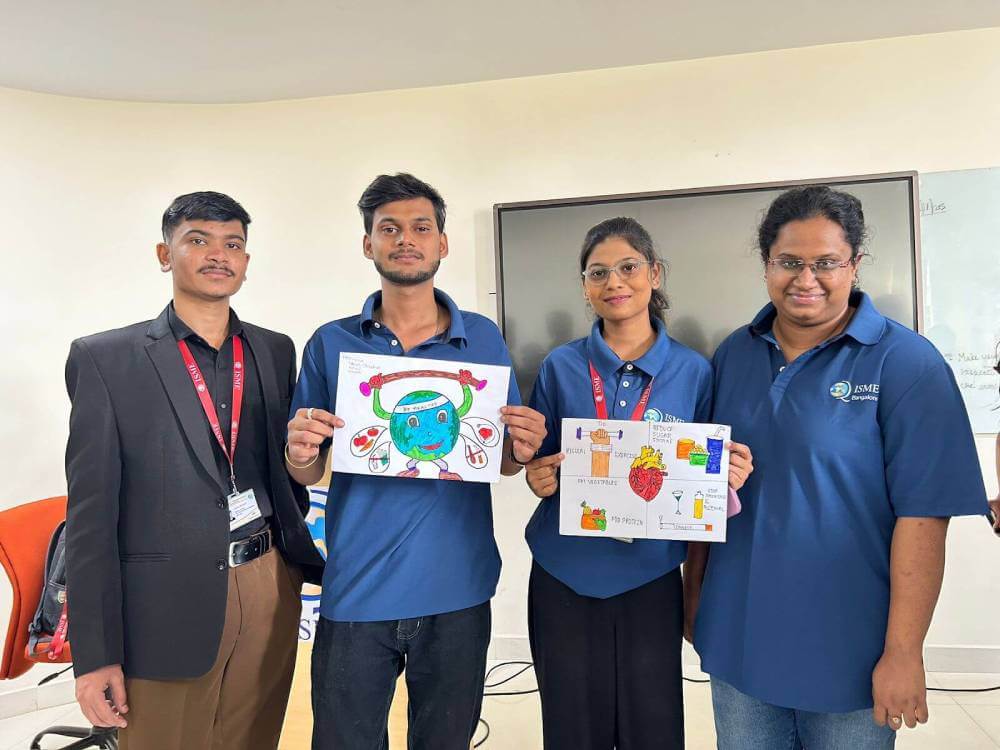
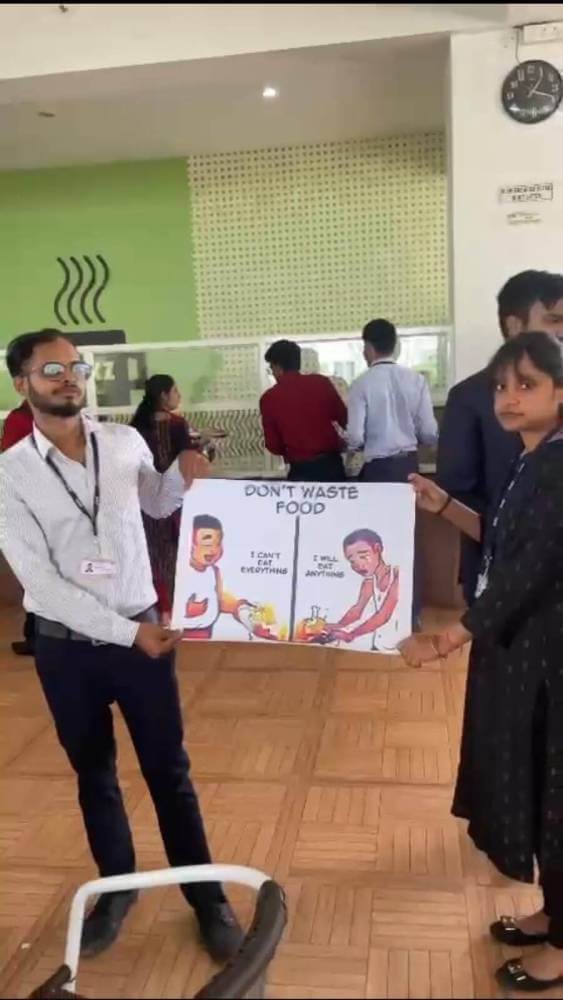
Students take proactive initiatives within the campus to raise awareness on important social and environmental issues such as waste utilization and upcycling. Through presentations on various Sustainable Development Goals (SDGs) and the creation of informative posters on topics like food wastage, waste segregation, and child labour, they promote responsible behavior and critical thinking. These activities enhance their research, creativity, and communication skills while encouraging collaborative learning. Overall, such efforts contribute to the holistic development of students, shaping them into socially aware and responsible future leaders.