







Anand Thakur
Professor, Head & Dean, School of Management
Central University of Punjab, Bathinda
anand.thakur@cup.edu.in
Kavita Singla
Research Scholar
Central University of Punjab, Bathinda
kvsingla11@gmail.com
Kamini Singla
Research Scholar
Central University of Punjab, Bathinda
kaminisingla213@gmail.com
Parwinder Kaur
Student
Central University of Punjab, Bathinda
Simran Kaur
Student
Central University of Punjab, Bathinda
Abstract:
In the modern era of digital transformation, higher education institutions all over the world are actively exploring and adopting Artificial Intelligence (AI) to enhance learning experiences. The present study aims to unveil the pivotal factors impacting Digital Transformation in Higher Education (HE). Based on the exploratory qualitative design, the study synthesises the extensive literature to conceptualize the role of digital transformation in AI adoption intention and inclusive education in HE. The study reveals that expectations of AI, personal innovativeness, self-efficacy, facilitating conditions, and effort expectancy influence digital transformation in Higher Education (HE) which further drives the AI adoption intention and inclusive education in HE. The present study provides useful insights for marketers and practitioners to understand the dynamics of AI adoption in higher education, as well as a path for institutions to overcome challenges and leverage the opportunities of digital transformation. The originality of the study lies in its focused exploration of the interplay among Digital Transformation AI adoption and the promotion of inclusive education in Higher Education. The study delves into the underlying factors addressing contemporary challenges in higher education and offers useful practical and managerial implications at the end.
Keywords: Digital Transformation, Artificial Intelligence, Higher Education, Inclusive Education, Adoption Intention.
Introduction
In the digital era, educational institutions are embracing digital transformation to effectively respond to the changing demands of the digital world. Universities have spearheaded various initiatives to adopt innovative digital technologies, aiming to enhance students’ learning experiences. Online and cloud-based platforms have become common place for the delivery of professional and occupational training, as well as education at all levels, from elementary to higher education. Institutions of higher education are embracing the worldwide digital shift involving machine learning and artificial intelligence. Higher education encompasses research centers, universities, and colleges. In the context of higher education, the term “digital transformation” refers to a wide range of technical advancements that assist education institutions in becoming more productive and efficient. It accomplishes this by removing time and space-based obstacles to education and by increasing a student’s access to high-quality instruction. Beyond that, the transforming needs of the workforce and industry have significantly altered the way adult learners interact with institutions of higher learning, such as colleges and universities. AI-based technologies like intelligent tutoring and automated grading systems demonstrate the significant influence of AI in education (Montebello, 2018; Wang & Zhao, 2020). With the use of these technologies, educators can personalize their classes, work from home, conduct research, refine their pedagogical abilities, and work in real time across geographical boundaries and schools with colleagues. From the perspective of students, this innovative technology enhances their cognitive retention and learning. Teachers are potentially more productive than ever through the advent of technology, and higher education institutions can use it to discover and develop tools that improve student educational experiences and instruction. As a way to enhance teaching and learning effectiveness and create a supportive and productive learning environment, there is a greater need for creativity in the application of emerging technologies like block chain, 5G, VR/AR, Internet of Things, and artificial intelligence (Hew & Kadir, 2016; Wang et al., 2021). Block chain technology offers enormous potential for improving student data security and transparency, combating credential services, and streamlining academic recording. Integrated learning experiences are made possible by 5G networks’ rapid speed and almost zero latency. Virtual Reality (VR) and Augmented Reality (AR) can be easily incorporated into educational environments to take students to the center of historical events, analyse the complexities of difficult scientific concepts, or give them practical experience in dangerous or isolated locations. IoT devices have a knack to gather data on student involvement in real-time and give teachers relevant data for personalized interventions and method modifications. Artificial Intelligence has the potential to personalize learning even further, going beyond intelligent tutoring and automated grading. By analysing student data, sophisticated algorithms may ascertain individualized learning preferences, discern areas of proficiency & deficiency in students, and subsequently prescribe tailored learning trajectories and educational materials. Artificial intelligence technology in educational institutions can improve academic performance by piquing students’ interest in learning as opposed to traditional classroom instruction (Xu, 2021, Shan et al., 2021)
The integration of AI in education offers both opportunities and challenges for stakeholders, including policymakers, educators, and students in Higher Education Institutions (Al-Adwan et al., 2023). Understanding how HEIs, traditionally grounded in educational and social values, can adapt to the needs of contemporary students in the evolving digital era is crucial. Educational technology has garnered significant attention in recent years for its potential to enhance the quality and accessibility of education (Al-Adwan, 2020). With the growing prevalence of digitalization in higher education, there is a need to further explore its drivers and consequences. The study may provide a comprehensive guidance to the higher educational institutions on the factors that may induce the digital transformation and AI adoption intention thus provide a simulating learning experience to the students.
The following sections of this paper are organized as: Section 2 provides the snapshot of past studies in the domain of higher education & research gap, section 3 represent significant factors influencing the AI adoption intention in HE, section 4 provides elucidation pertaining to the theoretical and managerial implications. Finally concluding remarks are presented.
1. Review of Literature
The most recent wave of information technologies has made it possible to produce student- centered, dynamically integrated, and intelligent instruction (Molnar, 2021; Wilson et al., 2021; Coccoli et al., 2014). With the increasing accessibility of digital technologies, a growing number of individuals embraced their convenience. This transformation marked a shift from initial skepticism to widespread acceptance and utilization of technology. Recognizing that these innovations not only enhanced daily life but also user-friendly, people eagerly incorporated them into their routines (Chanda & Deb, 2023). AI-powered technologies provide innovative teaching and learning possibilities. For example, the current technology infrastructure provides a potential opportunity to endorse a learner-centered approach that leverages AI to deliver personalized learning experiences. (Luan et al., 2020; Hwang et al., 2020; Shum & Luckin, 2019). AI may assist in accurately assessing the emotional and cognitive requirements of pupils (Chen et al., 2021). Learners are provided with personalized assistance based on their specific needs (Mislevy et al., 2020). Because the assistance is provided promptly, students may be happier when they receive their feedback on time. As a result, the rate of dropout falls along with improvement in their academic performance. Teachers are benefitted from being able to keep an eye on their pupils’ academic development in the interim (Zawacki-Richter et al., 2019, Wang & Zhao, 2020). Additionally, real-time alerts or notifications concerning learners can be sent through AI-based technologies, including teacher dashboards. AI not only assists teachers in effectively evaluating students’ knowledge in formative and summative assessments, but it also in analyzing their teaching practices and creating/executing lesson plans. (Celik et al., 2022; Keuning & van Geel, 2021; Leeuwen et al., 2021; Zawacki-Richter et al., 2019, Celik et al., 2022). AI adoption in higher education is essential since it is expected to assist students, professors, administrative personnel, and researchers significantly (Menon et al. 2014; Stefan & Sharon 2017). As a result, it is critical to motivate participants to embrace this cutting-edge technology (AI), which is expected to result in broad improvements in India’s higher education system (Norris & Phillips2013). Although the emergence of artificial intelligence has sped up the creation of automated software applications like chatbots. AI chatbots display diverse forms, ranging from standalone audio-based devices suitable for domestic use to transient virtual assistants integrated within websites or mobile applications, often accessible via SMS. Their increasing prevalence extends across various domains, particularly within higher education, implemented to aid students in dealing with e-learning resources, to respond to inquiries regarding the accessibility and availability of educational programs and university services, to boost student engagement with educational programs, and facilitate prompt feedback to augment learning outcomes and experience (Okonkwo and Ade-Ibijola, 2021). Notably, the prevailing trends in information technology— encompassing AI, Internet of Things (IoT), data and cloud computing—have increasingly stimulated universities to establish competitive advantages amidst the swift transformation observed in the global education sector (Klug, 2014; Kiryakova et al., 2017). Smart education, an enhanced version of educational informatization, ought to create and refine smart learning settings, fresh pedagogical approaches, and contemporary educational frameworks (Sharonova & Avdeeva, 2020; Huang, 2014). Incorporating smart education into conventional teaching and learning methodologies involves implementing technological tools, changing the way that content, format, and evaluation are done, as well as the traditional learning environments (Zhang et al., 2021, Yang & Quadir, 2018). One of the obstacles to Artificial Intelligence in Education (AIEd) is the integration of AI with teaching activities, which is influenced by teachers’ acceptance level of AI technologies. The use of technology in higher education is associated with a paradigm change wherein technology is set up as a complex environment that facilitates many learning experiences, enhances instructional materials, and improves overall training procedures. Artificial intelligence has the capacity to aid college students in becoming more engaged and focused in their creative arts programs (Paek & Kim, 2021; Li and Wang, 2021). It is emphasized that due consideration should be given to learners’ cultural backgrounds while implementing inclusive educational technologies (Kazimzade et al., 2019). Pedagogical methodologies revolve around customizing instructional approaches to accommodate the diverse preferences, abilities, and backgrounds of students (essential elements of inclusive education) particularly for learners from varied sociocultural contexts. (Kazimzade et al., 2019). Higher education institutions are required to engage in the digital transformation. (López, 2018, Griffiths 2020; Rajasingham, 2009). However, there is still a skills gap in students’ digital skills despite the important role that technology plays in improving education. Need of the hour is to explore the pedagogical, technological, and sociocultural avenues to address the hurdles associated with AI adoption and inclusive education.
1.1. Research Gap
The integration of Artificial Intelligence (AI) in higher education remains underexplored, largely attributed to the ineffective use of AI-enabled adaptive learning and IoT for fostering immersive virtual-real space interactions (Dwivedi et al., 2022). Previous studies have explored several factors impacting the AI adoption in HE (Pillai et al., 2024; Maheshwari, 2023; Rowland et al., 2022; Chatterjee & Bhattacharjee, 2020; Gansser & Reich 2021). Researchers have adopted UTAUT framework to understand the integration AI in higher education (Kazoun et al., 2022; Strzelecki, & ElArabawy, 2024; Chatterjee & Bhattacharjee, 2020; Bilquise et al., 2023; O’dea & O’Dea, 2023; Wu et al., 2024). To promote the adoption intention of AI in HE for enhanced teaching quality, digital transformation is a prerequisite. Consequently, it is essential to identify the key factors that drive digital transformation in HE and subsequently impact students’ intention to adopt AI in higher education. As an extension of extended UTAUT model, Strzelecki (2023) corroborate the impact of personal innovativeness on Behavioral intention and Use behavior of ChatGPT by students. Further, students’ self-efficacy (Wang et al., 2023; Wang et al., 2021; Chu et al., 2022), facilitating conditions (Strzelecki, & ElArabawy, 2024; Strzelecki, 2023; Faruk et al., 2023; Romero-Rodríguez et al., 2023), effort expectancy (Wu et al., 2024; Duong et al., 2023; Gulati et al., 2024); personal innovativeness ( Strzelecki, & ElArabawy, 2024; Strzelecki, 2023), expectations of AI (Saukkonen et al., 2021) have been widely explored in recent studies on higher education. However, there is no integrated framework exploring the factors influencing digital transformation and AI adoption intention in higher education. The present study aims to identify antecedents of digital transformation in HE and explore the relationship among digital transformation, intention to adopt AI and inclusive education in higher education (Fig. I).
2. Discussion
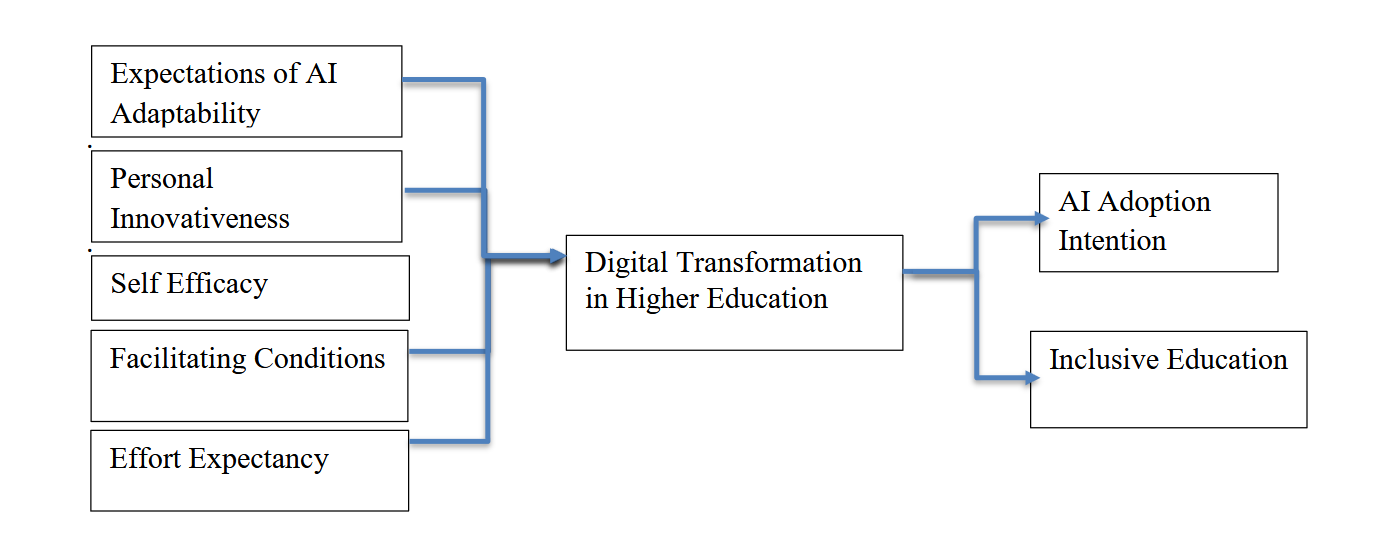
Fig. I: Conceptual Framework in Higher Education
3.1. Antecedents of Digital Transformation
3.1.1. Expectations of AI Adaptability
Carayannis and Morawska-Jancelewicz (2022) proposed that an active role of universities for producing highly skilled professionals is required to respond to the novel expectations of new generations. Universities are expected to adopt innovative educational initiatives, digital and interactive technology, and online learning resources to accomplish the high expectations of various stakeholders (Petrakieva & McArthur, 2019). Faculty and students are more likely to support and actively participate in digital transformation programs when they believe in the potential of AI to accomplish their expectations of improved learning, teaching, and administrative procedures (Langseth et al., 2023). This encourages the discovery and acceptance of AI-powered tools, driving inventive uses and a willingness to overcome challenges. Universities with high expectations invest in AI-based personalized learning platforms, adaptive tutoring systems, or automated administrative duties, resulting in considerable productivity advantages and improved student experiences (Surjandy et al., 2018).
3.1.2. Personal Innovativeness
The inclination towards exploring novel inventions is the definition of personal innovativeness (PI) (Fan et al., 2020). Students who possess a high PI are more inclined to perceive AI-based learning environments as advantageous and practical for their academic requirements due to their heightened openness to novel technologies and favorable disposition toward technology-based learning (Chahal & Rani, 2022; Bubou & Job, 2022). Additionally, PI is recognized as a significant facilitator of the intention to employ e-learning (Chahal & Rani, 2022). Individuals who readily experiment with new ideas and technology are critical for pushing the boundaries of digital transformation (Velić et al.,2021). Individuals with pronounced personal innovation are more inclined to not only adopt digital technology but also assume the roles of leaders and motivators within their society, thereby encouraging others to initiate the utilization and acceptance of innovation (Rogers, 1995).
3.1.3. Self-Efficacy
Self-efficacy, as conceptualized by Bandura (1986), refers to individuals’ perceived ability to plan and execute actions required to achieve particular performance objectives. It denotes one’s confidence in their own competence (Christensen & Knezek, 2015). In the context of online learning, technology self-efficacy is indispensable. It facilitates efficient access to course materials, interaction with instructors and peers, utilization of virtual educational tools, as well as participation in discussions and problem-solving activities (Durak, 2018). Students who feel confident in their abilities to learn and thrive in a technologically enhanced environment are more inclined to accept AI tools and participate actively in the digital transformation process (Pekrun et al., 2011; Wang et al., 2023). Self-efficacy allows them to explore new learning routes, experiment with AI capabilities, and overcome transitional obstacles. Technology self-efficacy is positively correlated with students’ effectiveness in online learning environment and their academic achievement (Chen, 2014). Individuals with high levels of technology or online self- efficacy often demonstrate heightened engagement in self-regulated learning tactics, alongside increased motivation, confidence, participation, and contentment (Limiansi & Hadi, 2022; Han et al., 2021).
3.1.4. Facilitating Conditions
Facilitating conditions encompass an individual’s perception regarding the availability of requisite technical and supportive infrastructure to facilitate the utilization of the new system (Venkatesh et al., 2003). Facilitating Conditions have a considerable influence on people behavioural intentions towards AI in higher education (Chiu et al., 2012). Facilitating conditions play a crucial role in enhancing the adoption of online learning (Khechine et al., 2020). Huang et al. (2020) argue that this factor is fundamental in forecasting ease of use, particularly in developing nations where technology opportunities is considered. Adequate resources, training and support are required for successful digital transformation. Providing teachers and students access to the required tools, software, and professional development opportunities guarantees that they can effectively use AI tools and contribute meaningfully to the transformation process.
3.1.5. Effort Expectancy
Effort expectation pertains to the perceived ease of use regarding a novel system (Alalwan et al., 2017; Davis et al., 1989). It primarily related to the level of ease associated with technological utilization (Sanusi, 2022). Effort expectation and its underlying factors have consistently shown a significant influence on a user’s inclination to adopt new technologies (Albanna et al., 2021). Chatterjee and Bhattacharjee (2020) opined that both performance and effort expectancy are conducive to fostering a positive attitude towards the adoption and utilization of AI within higher education. Additionally, perceived ease of use emerges as a significant predictor of intention to adopt AI in educational settings (Lu et al., 2005). Amer et al. (2020) further demonstrate that the perceived ease of use of chatbots positively impacts university students’ predisposition to utilize them in subsequent interactions. It is considered that giving good quality technical assistance to users may help them in adopting digital technologies with minimal discomfort. Thus, high effort expectancy can have an advantageous effect on digital transformation.
3.2. Consequences of Digital Transformation in Higher Education
3.2.1. Digital Transformation and AI adoption in higher education
In the contemporary landscape, the efficacy of the educational endeavor significantly depends upon technological advancements, particularly the integration and utilization of AI in educational institutions (Hidalgo-Cajo et al.,2021). AI adoption in higher education is dependent on a well- planned digital transformation process. Universities can pave the way for AI to alter the learning experience by investing in robust infrastructure, developing an innovative culture, and harnessing the power of AI. Digital transformation develops the framework for effective AI integration, while AI extends the reach of digital endeavors. It’s a never-ending cycle of improvement that ensures each step forward, eventually leading to a more personalized, efficient, and effective learning environment for all. The deployment of generative AI to education poses important questions about authorship, learning frameworks, pedagogy, and other relevant areas (Williamson et al., 2023; Zembylas, 2023).
3.2.2. Digital Transformation and Inclusive Education
The incorporation of digital tools within educational settings, alongside the restructuring of pedagogical methodologies, artificial intelligence applications, personalized learning approaches, gamification techniques, and the utilization of advanced technologies such as virtual reality (VR) and augmented reality (AR), are foundational elements in realizing the Sustainable Development Goal (SDG) of inclusive education ((Daniela, 2022; Ifenthaler et al., 2012; Newman, 2018). Adoption of artificial intelligence in higher education ensures accessible and simulated learning experience to all students, regardless of background or aptitude (Kaimara, 2023). AI-powered language translation tools or adaptable interfaces assist students with disabilities. Investing in AI-powered job coaching systems that appeal to students with wider interests and diverse backgrounds is pre requisite. Thus, inclusive education is highly encouraged by digital transformation in higher education.
4. Implications & Suggestions
The study reflects a commitment to fostering innovation (SDG 9.5) in higher education. Higher education institutions should prioritize the development and implementation of AI-driven inclusive education programs. These programs can address diverse learning needs, contributing to SDG 4.5 – ensuring equal access to all levels of education and vocational training. Establishing interdisciplinary teams can enhance the institution’s capability to address challenges and innovate in the realm of digital transformation. Higher education institutions should strategically plan the integration of AI by considering factors such as expectations of AI, personal innovativeness, self-efficacy, facilitating conditions, and effort expectancy. A well-defined strategy may guide the adoption of AI, ensuring alignment with institutional goals. Institutions need to develop training programs to enhance educators’ self-efficacy and personal innovativeness in using AI tools. This can be achieved through workshops, online courses, and continuous professional development to empower faculty members with the skills needed for effective digital transformation. This aligns with SDG 4.7, aiming to ensure that educators have the necessary skills to provide quality education.
Conclusion
The integration of AI technologies holds significant promise for revolutionizing higher education by improving the teaching and learning experience, fostering supportive environments, and meeting the demands of a dynamic workforce. To successfully navigate this transformative journey, it is crucial to engage in strategic planning, embrace cultural change, and provide ongoing support. The present study contributes for a smooth digital conversion, eventually resulting in outstanding educational experiences within the changing environment of higher education.
As avenues for future research, it is recommended to explore comparative analyses across diverse areas or nations, considering how cultural, regulatory, and institutional variations influence the adoption of AI in higher education. Additionally, empirical studies should be conducted to gauge the actual impact of AI on student learning outcomes, retention rates, and overall academic achievement. By addressing these areas, a comprehensive understanding of the challenges and benefits associated with AI adoption in higher education can be achieved, contributing to the creation of a stimulating and enriching learning environment.
Acknowledgement
This article was presented at 12th International Conference on Contemporary Issues in Management organized by International School of Management Excellence, Bangalore held on 23rd and 24th February 2024.
References
Al-Adwan, A. S. (2020). Investigating the drivers and barriers to MOOCs adoption: The perspective of TAM. Education and information technologies, 25(6), 5771-5795. 28(11), 15381-15413.
Al-Adwan, A. S., Li, N., Al-Adwan, A., Abbasi, G. A., Albelbisi, N. A., & Habibi, A. (2023). Extending the technology acceptance model (TAM) to Predict University Students’ intentions to use metaverse-based learning platforms. Education and Information Technologies, 28(11), 15381-15413.
Alalwan, A. A., Dwivedi, Y. K., & Rana, N. P. (2017). Factors influencing adoption of mobile banking by Jordanian bank customers: Extending UTAUT2 with trust. International Journal of Information Management, 37(3), 99-110.
Bandura, A. (1986). Social foundations of thought and action. Englewood Cliffs, NJ, 1986(23- 28), 2.
Bergdahl, N., Nouri, J., & Fors, U. (2020). Disengagement, engagement and digital skills in technology-enhanced learning. Education and information technologies, 25(2), 957- 983.https://doi.org/10.1007/s10639-019-10000-4
Bubou, G. M., & Job, G. C. (2022). Individual innovativeness, self-efficacy and e-learning readiness of students of Yenagoa study centre, National Open University of Nigeria. Journal of Research in Innovative Teaching & Learning, 15(1), 2–22. https://doi.org/10.1108/JRIT-12-2019-0079
Carayannis, E. G., & Morawska-Jancelewicz, J. (2022). The futures of Europe: Society 5.0 and Industry 5.0 as driving forces of future universities. Journal of the Knowledge Economy, 13(4), 3445–3471. https://doi.org/10.1007/s13132-021-00854-2
Castro Benavides, L.M.; Tamayo Arias, J.A.; Arango Serna, M.D.; Branch Bedoya, J.W.; Burgos, D. (2020). Digital Transformation in Higher Education Institutions: A Systematic Literature Review. Sensors, 20, 3291. https://doi.org/10.3390/s20113291
Celik, I., Dindar, M., Muukkonen, H., & Jarvel ¨ a, ¨ S. (2022). The promises and challenges of artificial intelligence for teachers: A systematic review of research. Tech Trends, 66(4), 616-630. https://doi.org/10.1007/s11528-022-00715-y
Chahal, J., & Rani, N. (2022). Exploring the acceptance for e-learning among higher education students in India: Combining technology acceptance model with external variables. Journal of Computing in Higher Education, 34(3), 844-867..
Deb, A. S. United Payments Interface (UPI): How Indian Consumers are choosing their Payment Application Services Anurag Chanda MBA Student, Bharathidasan Institute Management, Tiruchirappalli. isme. in,. isme. in. – Xplore, 2(2)
Chatterjee, S., & Bhattacharjee, K. K. (2020). Adoption of artificial intelligence in higher education: A quantitative analysis using structural equation modelling. Education and Information Technologies, 25, 3443-3463.
Chen, X., Zou, D., Xie, H., & Cheng, G. (2021). Twenty years of personalized language learning: Topic modeling and knowledge mapping. Educational Technology & Society, 24(1), 205–222.
Chen, Y. L. (2014). A study on student self-efficacy and technology acceptance model within an online task-based learning environment. Journal of Computers, 9(1), 34–43.
Chiu, Y. T. H., Lee, W. I., Liu, C. C., & Liu, L. Y. (2012). Internet lottery commerce: An integrated view of online sport lottery adoption. Journal of Internet Commerce, 11(1), 68–80. https://doi.org/10.1080/15332861.2012.650990>
Christensen, R., & Knezek, G. (2015, October). he technology proficiency self-assessment questionnaire (TPSA): Evolution of a self-efficacy measure for technology integration. In Proceedings of the KEYCIT2014: Key Competencies in Informatics and ICT Conference, KEYCIT, Potsdam (pp. 311-318).
Coccoli, M., Guercio, A., Maresca, P., & Stanganelli, L. (2014). Smarter universities: A vision for the fast-changing digital era. Journal of Visual Languages & Computing, 25(6), 1003–1011. https://doi.org/10.1016/j.jvlc.2014.09.007
Daniela, L. (2021). Hopes for Game-Based Learning. In L. Daniela (Ed.), Smart Pedagogy of Game-based Learning. Advances in Game-Based Learning (pp. v–x). Springer Cham. https://doi.org/10.1007/978-3-030-76986-4
Daniela, L. (2022). Inclusive Technology-Enhanced Education. In L. Daniela (Ed.), Inclusive Digital Education. Educational Communications and Technology: Issues and Innovations (pp. 1–11). Springer Cham. https://doi.org/10.1007/978-3-031-14775-3_1.
Davis, F. D. (1989). Perceived usefulness, perceived ease of use and user acceptance of information technology. MIS Quarterly, 13(3), 319–340. https://doi.org/10.2307/249008. Davis, F. D., Bagozzi, R. P., & Warshaw, P. R. (1989). User acceptance of computer technology: A comparison of two theoretical models. Management Science, 35(8), 982–1003. https://doi.org/10.1287/mnsc.35.8.982.
Durak, H. Y. (2018). Flipped learning readiness in teaching programming in middle schools: Modelling its relation to various variables. Journal of Computer Assisted Learning, 34(6), 939– 959. https://doi.org/10.1111/jcal.12302
Schweitzer, F., & Van den Hende, E. A. (2016). To be or not to be in thrall to the march of smart products. Psychology & Marketing, 33(10), 830-842. https://doi.org/10.1002/mar.20920
F.D. Davis. A technology acceptance model for empirically testing new end-user information systems: theory and Results. Doctoral Dissertation, Massachusetts Institute of Technology, 1986.
F.D. Davis. Perceived usefulness, perceived ease of use, and user acceptance of information technology. MIS Q. 13(3) (1989) 319, https://doi.org/10.2307/249008
Fan, W., Liu, J., Zhu, S., & Pardalos, P. M. (2020). Investigating the impacting factors for the healthcare professionals to adopt artificial intelligence-based medical diagnosis support system (AIMDSS). Annals of Operations Research, 294(1), 567–592. https://doi.org/10.1007/s10479-018-2818-y
Fenton, A.; Fletcher, G.; Griffiths, M. Strategic Digital Transformation: A Results-Driven Approach; Routledge: London, UK, 2020.
Finedo, E., Rikala, J., & Hämäläinen, T. (2020). Factors affecting Nigerian teacher educators’ technology integration: Considering characteristics, knowledge constructs, ICT practices and beliefs. Computers & Education, 146, 103760. https://doi.org/10.1016/j.compedu.2019.103760
Han, J., Geng, X., & Wang, Q. (2021). Sustainable development of university EFL learners’ engagement, satisfaction, and self-efficacy in online learning environments: Chinese experiences. Sustainability, 13(21), 11655.
Hew, T. S., & Syed Abdul Kadir, S. L. (2016). Predicting instructional effectiveness of cloud-based virtual learning environment. Industrial Management & Data Systems, 116(8), 1557-1584.
Hidalgo-Cajo, B. G., & Gisbert-Cervera, M. (2021). La adopción y el uso de las tecnologías digitales en el profesorado universitario: Un análisis desde la perspectiva del género y la edad. Revista de Educación a Distancia, 21, 1–19.
Huang, R. H. (2014). The triple realm of smart education: From environment, mode to system. Modern Distance Education Research, 6, 3–11.
Huang, R., Tlili, A., Chang, T. W., Zhang, X., Nascimbeni, F., & Burgos, D. (2020). Disrupted classes, undisrupted learning during COVID-19 outbreak in China: application of open educational practices and resources. Smart Learning Environments, 7, 1–15.
Hwang, G. J., Wang, S. Y., & Lai, C. L. (2021). Effects of a social regulation-based online learning framework on students’ learning achievements and behaviors in mathematics. Computers & Education, 160, 104031.
Hwang, G. J., Xie, H., Wah, B. W., & Gašević, D. (2020). Vision, challenges, roles and research issues of artificial intelligence in education. Computers & Education: Artificial Intelligence, 1, Article 100001. https://doi.org/10.1016/j.caeai.2020.100001
Ifenthaler, D., Eseryel, D., & Ge, X. (2012). Assessment for Game-Based Learning. In Assessment in Game-Based Learning: Foundations, Innovations, and Perspectives (pp. 1–8). Springer, New York. https://doi.org/10.1007/978-1-4614-3546-4_1
Kaarakainen, M.-T., Kivinen, O., & Teija Vainio. Performance-based testing for ICT skills assessing: a case study of students and teachers’ ICT skills in Finnish schools. Universal Access in the Information Society, 17 (2017). https://doi.org/10.1007/s10209-017-0553-9
Kazimzade, G.; Patzer, Y.; Pinkwart, N. Artificial Intelligence in Education Meets Inclusive Educational Technology—The Technical State-of-the-Art and Possible Directions. In Artificial Intelligence and Inclusive Education; Knox, J., Yu, W., Gallagher, M., Eds.; Springer: Singapore, 2019; pp. 61–73.
Keuning, T., & van Geel, M. (2021). Differentiated teaching with adaptive learning systems and teacher dashboards: The Teacher Still Matters Most. IEEE Transactions on Learning Technologies, 14(2), 201–210. https://doi.org/10.1109/TLT.2021.3072143
Khechine, H., Raymond, B., & Augier, M. (2020). The adoption of a social learning system: Intrinsic value in the UTAUT model. British Journal of Educational Technology, 51(6), 2306–2325.
Kiryakova, G., Yordanova, L., & Angelova, N. (2017). Can we make Schools and universities smarter with the Internet of Things? TEM Journal, 6(1), 80–84. https://doi.org/10.18421/TEM61-11
Klug, W. E. (2014). The Determinants of Cloud Computing Adoption by Colleges and Universities. ProQuest Dissertations and Theses, (April), p. 186.
Leeuwen, A., Knoop-van Campen, C. A., Molenaar, I., & Rummel, N. (2021). How teacher characteristics relate to how teachers use dashboards: Results from two case studies in K-12. Journal of Learning Analytics, 8(2), 6–21. https://doi.org/10.18608/jla.2021.7325
Li, Z., & Wang, H. (2021). The effectiveness of physical education teaching in college based on Artificial intelligence methods. Journal of Intelligent & Fuzzy Systems (Preprint), 1–11.
Limiansi, K., & Hadi, S. (2022, January). Students’ self-efficacy profile in online learning. In 5th International Conference on Current Issues in Education (ICCIE 2021) (pp. 85–90). Atlantis Press.
López, A.M. Avance de la Economía Digital en España y retos pendientes. In Economistas. España 2018; Un Balance, núm. ExtraMarzo; Madrid, Spain, 2018; Volume 162–163, pp. 37–46.
Lu, H. P., Hsu, C. L., & Hsu, H. Y. (2005). An empirical study of the effect of perceived risk upon intention to use online applications. Information Management and Computer Security, 13(2), 106–120. https://doi.org/10.1108/09685220510589299
Luan, H., Geczy, P., Lai, H., Gobert, J., Yang, S. J., Ogata, H., … Tsai, C. C. (2020). Challenges and future directions of big data and artificial intelligence in education. Frontiers in Psychology, 2748. https://doi.org/10.3389/fpsyg.2020.580820
Maheshwari, G. (2023). Factors influencing students’ intention to adopt and use ChatGPT in higher education: A study in the Vietnamese context. Education and Information Technologies, 1–29.
Menon, R., Tiwari, A., Chhabra, A., & Singh, D. (2014). Study on the higher education in India and the need for a paradigm shift. Procedia Economics and Finance, II(1), 886–871. https://doi.org/10.1016/S22125671(14)00250-0
Mislevy, R. J., Yan, D., Gobert, J., & Sao Pedro, M. (2020). Automated scoring in intelligent tutoring systems. In Handbook of Automated Scoring (pp. 403–422). Chapman and Hall/CRC.
Molnar, A. (2021). Smart cities education: An insight into existing drawbacks. Telematics and Informatics, 57, 101509. https://doi.org/10.1016/j.tele.2020.101509
Newman, D. (2018). Top 5 Digital Transformation Trends In Education For 2019. Futurum Research. https://futurumresearch.com/digital-transformation-trends-education/
Norris, S. P., & Phillips, L. M. (2013). How literacy in its fundamental sense is central to scientific literacy. Science Education, 87(2), 224–240. https://doi.org/10.1002/sce.10066
Okonkwo, C. W., & Ade-Ibijola, A. (2021). Chatbots applications in education: A systematic review. Computers and Education: Artificial Intelligence, 2, Article 100033. https://doi.org/10.1016/j.caeai.2021.100033
Paek, S., & Kim, N. (2021). Analysis of worldwide research trends on the impact of artificial intelligence in education. Sustainability, 13(14), 7941.
Pekrun, R. (2006). The control-value theory of achievement emotions: Assumptions, corollaries, and implications for educational research and practice. Educational Psychology Review, 18(4), 315–341. https://doi.org/10.1007/s10648-006-9029-9
Pillai, R., Sivathanu, B., Metri, B., & Kaushik, N. (2024). Students’ adoption of AI-based teacher-bots (T-bots) for learning in higher education. Information Technology & People.
Popenici, S. A., & Kerr, S. (2017). Exploring the impact of artificial intelligence on teaching and learning in higher education. Research and Practice in Technology Enhanced Learning, 12(1), 22. https://doi.org/10.1186/s41039-017-0062-8
Rogers, E. M. (2003). Diffusion of Innovations (5th ed.). New York: Free Press.
Rosin, A. F., Proksch, D., Stubner, S., & Pinkwart, A. (2020). Digital new ventures: Assessing the benefits of digitalization in entrepreneurship. Journal of Small Business Strategy, 30(2), 59.
Shan, T., Tay, F. R., & Gu, L. (2021). Application of artificial intelligence in dentistry. Journal of Dental Research, 100(3), 232–244.
Sharonova, S., & Avdeeva, E. (2020). Comparison of distance education and smart education. Revista Tempos e Espaços em Educação, 13(32), 1–15. https://doi.org/10.20952/revtee.v13i32.14689
Shum, S. J. B., & Luckin, R. (2019). Learning analytics and AI: Politics, pedagogy and practices. British Journal of Educational Technology, 50(6), 2785–2793. https://doi.org/10.1111/bjet.12880
Stefan, A. D. P., & Sharon, K. (2017). Exploring the impact of artificial intelligence on teaching and learning in higher education. Research and Practice in Technology Enhanced Learning, 1, 3–13. https://doi.org/10.1186/s41039-017-0062-8
Teo, T., Lee, C. B., & Chai, C. S. (2008). Understanding pre-service teachers’ computer attitudes: Applying and extending the technology acceptance model. Journal of Computer Assisted Learning, 24(2), 128–143.
Tiffin, J., & Rajasingham, L. The Global Virtual University. Routledge-Falmer: London, UK, 2009.
Venkatesh, V., Morris, M. G., Davis, G. B., & Davis, F. D. (2003). User acceptance of information technology: Toward a unified view. MIS Quarterly, 27(3), 425–478. https://doi.org/10.2307/30036540
Verhoeven, J. C., Heerwegh, D., & De Wit, K. (2016). ICT learning experience and research orientation as predictors of ICT skills and the ICT use of university students. Education and Information Technologies, 21(1), 71–103.
Wang, Y., & Zhao, P. (2020). A probe into spoken English recognition in English education based on computer-aided comprehensive analysis. International Journal of Emerging Technologies in Learning (iJET), 15(3), 223–233.
Wang, Y., Pan, Z. W., & Wang, M. Z. (2023). The moderating effect of participation in online learning on EFL teachers’ teaching ability. Heliyon, 9(3), e13890. https://doi.org/10.1016/j.heliyon.2023.e13890
Williamson, B., Macgilchrist, F., & Potter, J. (2023). Re-examining AI, automation and datafication in education. Learning, Media and Technology, 48(1), 1–5. https://doi.org/10.1080/17439884.2023.2167830
Wilson, J. C. M., Kandege, P., Edjoukou, A. J. R., & Teklu, M. T. (2021). Unpacking smart education’s soft smartness variables: Leadership and human resources capacities as key participatory actors. Education and Information Technologies, 26(1), 1–32. https://doi.org/10.1007/s10639-020-10423-w
Xu, Y., Liu, X., Cao, X., Huang, C., Liu, E., Qian, S., … & Zhang, J. (2021). Artificial intelligence: A powerful paradigm for scientific research. The Innovation, 2(4).
Yang, J. C., & Quadir, B. (2018). Individual differences in an English learning achievement system: Gaming flow experience, gender differences and learning motivation. Technology, Pedagogy and Education, 27(3), 351–366. https://doi.org/10.1080/1475939X.2018.1460618
Zawacki-Richter, O., Marín, V. I., Bond, M., & Gouverneur, F. (2019). Systematic review of research on artificial intelligence applications in higher education—where are the educators? International Journal of Educational Technology in Higher Education, 16(1), 1–27. https://doi.org/10.1186/s41239-019-0171-0
Zembylas, M. (2023). A decolonial approach to AI in higher education teaching and learning: Strategies for undoing the ethics of digital neocolonialism. Learning, Media and Technology, 48(1), 25–37. https://doi.org/10.1080/17439884.2021.2010094
Zhang, Y., Qin, G., Cheng, L., Marimuthu, K., & Kumar, B. S. (2021). Interactive smart Educational System using AI for students in the higher education platform. Journal of Multiple-Valued Logic & Soft Computing, 36, 83–98.