




Dr. Zuleika Homavazir
Professor, Atlas SkillTech University, Mumbai, India
Ms. Shania Kinny
Student, Atlas SkillTech University, Mumbai, India
Abstract:
The impact of Hindustan Unilever Limited’s (HUL) sustainability measures on India’s progress toward the Sustainable Development Goals (SDGs) is examined in this study report. The study examines how money is allocated and used in the fields of women’s empowerment, environmental sustainability, healthcare, and other areas. HUL’s Environmental, Social, and Governance (ESG) objectives serve as a gauge for the company’s dedication to sustainability. In order to shed light on the company’s contributions to social and environmental well-being in India, the study uses a quantitative research methodology to investigate the relationship between HUL’s efforts and SDGs.
Keywords:
CSR initiatives, ESG initiatives, Hindustan Unilever Limited (HUL), Sustainable Development Goals (SDGs), corporate sustainability, impact assessment.
Introduction:
To address social, economic, and environmental concerns, Hindustan Unilever Limited (HUL), a major consumer goods corporation in India, has launched a number of sustainability programs. This study intends to evaluate how HUL’s initiatives have affected India’s progress toward the Sustainable Development Goals (SDGs). To determine how much HUL contributes to the SDGs,
we examine how money is allocated to many important sectors. To assess HUL’s dedication to sustainability, we also look at its Environmental, Social, and Governance (ESG) objectives.
Research Problem:
The main research issue is to ascertain whether HUL’s sustainability measures are in line with and help India achieve the SDGs. We specifically want to study how money is allocated and used across different sectors and how HUL’s activities are affecting social, economic, and environmental factors.
Methodology:
This study employs quantitative research methods to analyze the relationship between Hindustan Unilever Limited’s (HUL) efforts and the Sustainable Development Goals (SDGs). The data utilized in this research is secondary data, which has been gathered from HUL’s annual reports, sustainability programs, and funding records across various sectors. A comparative descriptive analysis is conducted to explore how HUL’s initiatives align with the SDGs.
Literature Review:
This literature review explores the importance of Corporate Social Responsibility (CSR) and Environmental, Social, and Governance (ESG) initiatives in contemporary company strategies, their effects on business sustainability, and their alignment with the Sustainable Development Goals (SDGs). The review is structured based on key constructs: the integration of CSR and ESG in business strategies, the measurement of their impacts, and their influence on sustainable development.
The importance of CSR and ESG initiatives in contemporary company strategies has been highlighted by prior research. These initiatives are known for their capacity to improve brand reputation, reduce risks, and spur long-term financial performance. Stuart L. Hart’s “Capitalism at the Crossroads” emphasizes how businesses can align profit generation with societal and environmental contributions. Hart argues for a shift towards sustainable capitalism where businesses incorporate environmental sensitivity into their core strategies, promoting CSR as a vehicle for achieving broader societal benefits. Similarly, Eccles, Ioannou, and Serafeim (2011) explore how corporate sustainability practices influence organizational processes and
performance, advocating for the integration of sustainability into corporate strategy for long-term value creation.
Accurately measuring the impact of CSR and ESG initiatives is crucial for evaluating their effectiveness. Frank Schiemann’s review on CSR impact measurement discusses various metrics used to assess the outcomes of CSR activities. Schiemann highlights the lack of standardization in these metrics and calls for the development of a universally accepted framework to ensure consistency and comparability in CSR reporting. Similarly, Geczy, Stambaugh, and Levin (2020) focus on sustainable investing and the importance of standardized metrics for assessing sustainability performance in financial markets. They emphasize the need for robust and universally accepted metrics to better measure and compare the sustainability efforts of different organizations.
Influence on Sustainable Development
The impact of CSR and ESG initiatives on sustainable development is another key area of interest. Katarzyna Wojnicka et al. (2019) investigate the relationship between sustainable development strategies and CSR implementation in the FMCG sector. Their study finds a positive correlation between a company’s focus on sustainable development, the implementation of CSR strategies, and the creation of value in a sustainable enterprise. This suggests that companies with a strong commitment to sustainability are more likely to implement effective CSR strategies, contributing to overall sustainable development.
Furthermore, Jhawar and Jain (2021) analyze CSR initiatives during the COVID-19 pandemic, showcasing how top Indian companies engaged in proactive CSR activities to support their stakeholders during a crisis. This study underscores the role of CSR in addressing immediate societal needs and its potential to contribute to long-term sustainable development goals.
Dyllick, T., & Hockerts, K. (2002). Beyond the business case for corporate sustainability. Business Strategy and the Environment, 11(2), 130-141.Dyllick and Hockerts discuss corporate sustainability by integrating economic, ecological, and social dimensions. The paper argues that businesses can achieve long-term success by aligning their strategies with sustainability principles. However, it calls for more research on the practical implementation of corporate sustainability
across different industries and contexts. Future studies could focus on how specific companies, like HUL, balance these three dimensions while pursuing sustainability goals.
van Zanten, J. A., & van Tulder, R. (2018). Multinational enterprises and the Sustainable Development Goals: An institutional approach to corporate engagement. Journal of International Business Policy, 1(3-4), 208-233.This paper explores how multinational enterprises can align their strategies with the SDGs to gain competitive advantages, improve risk management, and enhance their reputation. The study suggests that integrating SDGs into business models can be beneficial for companies. However, it highlights the need for further research on the specific benefits and challenges faced by companies like HUL in different geographical and sectoral contexts.
Scheyvens, R., Banks, G., & Hughes, E. (2016). The private sector and the SDGs: The need to move beyond ‘business as usual’. Sustainable Development, 24(6), 371-382.This paper argues that businesses need to go beyond traditional practices to truly contribute to the SDGs. It discusses how integrating SDGs can enhance corporate responsibility and lead to improved brand reputation, customer loyalty, and operational efficiencies. Future research could examine the effectiveness of such integration in specific sectors and companies, like HUL.
Porter, M. E., & Kramer, M. R. (2011). Creating shared value: How to reinvent capitalism—and unleash a wave of innovation and growth. Harvard Business Review, 89(1/2), 62-77.Porter and Kramer argue that businesses can generate economic value while addressing societal challenges through the concept of shared value. The paper provides a framework for integrating social and environmental considerations into business strategies. Future research could examine how HUL’s initiatives align with this framework and their effectiveness in creating shared value.
Bebbington, J., & Unerman, J. (2018). Achieving the United Nations Sustainable Development Goals: An enabling role for accounting research. Accounting, Auditing & Accountability Journal, 31(1), 2-24. This paper discusses the role of accounting in assessing the impact of sustainability initiatives on the SDGs. It highlights the importance of both qualitative and quantitative analyses but points out challenges such as attributing outcomes to specific corporate actions. Future research could develop more robust methodologies for measuring the direct and indirect impacts of HUL’s sustainability initiatives.
Sridhar, K., & Jones, G. (2013). The three fundamental criticisms of the triple bottom line approach: An empirical study to link sustainability to integrated reporting. Corporate Social Responsibility and Environmental Management, 20(2), 81-93. This paper critiques the triple bottom line approach and calls for more integrated reporting on sustainability practices. Future research could focus on how HUL’s sustainable sourcing and agriculture practices contribute to SDG 15 (Life on Land) and the effectiveness of integrated reporting in communicating these impacts.
Jones, P., Hillier, D., & Comfort, D. (2016). Sustainability in the global marketplace: How businesses are addressing the challenges of sustainability. Business Strategy and the Environment, 25(7), 491-502.This paper explores how businesses are addressing sustainability challenges and highlights the importance of both direct measurements and stakeholder feedback in impact assessment. Future research could examine the effectiveness of HUL’s sustainability initiatives in achieving the SDGs and the role of stakeholder engagement in enhancing these efforts.
Epstein, M. J., & Buhovac, A. R. (2014). Making sustainability work: Best practices in managing and measuring corporate social, environmental, and economic impacts (2nd ed.). Berrett-Koehler Publishers. Epstein and Buhovac provide a comprehensive guide on managing and measuring corporate sustainability impacts. They discuss various methodologies for assessing impact, but future research could focus on developing standardized metrics for evaluating HUL’s initiatives and their contributions to the SDGs.
Carroll, A. B. (1991). The pyramid of corporate social responsibility: Toward the moral management of organizational stakeholders. Business Horizons, 34(4), 39-48. Carroll’s framework for corporate social responsibility (CSR) outlines economic, legal, ethical, and philanthropic responsibilities. The paper provides a foundational understanding of CSR, but future research could explore how integrating SDGs into business strategies enhances CSR efforts and the specific outcomes of such integration in companies like HUL.
Visser, W. (2008). Corporate social responsibility in developing countries. In A. Crane, A. McWilliams, D. Matten, J. Moon, & D. S. Siegel (Eds.), The Oxford Handbook of Corporate Social Responsibility (pp. 473-499). Oxford University Press.Visser discusses the challenges and opportunities of implementing CSR in developing countries. The paper highlights systemic issues
such as poverty and infrastructure gaps that can affect the scalability of sustainability initiatives. Future research could explore how HUL addresses these challenges in its sustainability efforts.
Hindustan Unilever Limited. (2021). Unilever Sustainable Living Plan: Waste reduction and sustainable packaging. HUL’s report details their efforts to achieve zero waste to landfill across manufacturing sites and increase the use of recycled materials in packaging, addressing SDG 12 (Responsible Consumption and Production). While the report showcases significant progress, future research could evaluate the long-term impact and scalability of these initiatives, and compare HUL’s practices with those of other industry leaders.
KPMG. (2017). Sustainable sourcing: The impact of sourcing practices on biodiversity and local communities. KPMG’s report on sustainable sourcing practices highlights HUL’s efforts to source agricultural raw materials sustainably, supporting SDG 15 (Life on Land). The report suggests positive environmental and social impacts but calls for more comprehensive studies on the long- term effects of sustainable sourcing on biodiversity and local communities, especially in developing countries like India.
Ramani, S. V., & Dholakia, N. (2021). Lifebuoy’s health and hygiene campaign: Improving public health through corporate initiatives. Journal of Public Health Policy, 42(1), 55-70. This paper examines HUL’s Lifebuoy handwashing campaign and its impact on SDG 3 (Good Health and Well-being). It documents the program’s success in improving health outcomes and raising hygiene awareness. Future research could focus on the program’s long-term sustainability, scalability, and its comparative effectiveness in different regions.
Agarwal, B. (2016). Empowering women through micro-enterprise: Project Shakti’s impact on rural women in India. Development in Practice, 26(3), 327-339. Agarwal’s study on Project Shakti demonstrates its contributions to SDG 5 (Gender Equality) and SDG 8 (Decent Work and Economic Growth). The paper provides evidence of improved livelihoods for women and economic development in rural areas. However, it suggests further research on the long-term socio- economic impacts and potential challenges faced by participants.
Gupta, S., & Agrawal, R. (2017). Hygiene promotion through corporate initiatives: A case study of Lifebuoy’s handwashing campaign. Health Promotion International, 32(2), 224-233. Gupta and Agrawal evaluate the impact of HUL’s Lifebuoy handwashing initiative on public health,
addressing SDG 3 (Good Health and Well-being). The study provides evidence of improved hygiene practices but suggests further research on the long-term health impacts and the scalability of such initiatives.
Vijayalakshmi, V., & Kannan, V. (2018). Economic empowerment of women through entrepreneurship: Project Shakti in India. Journal of Entrepreneurship, 27(1), 128-144. This paper examines the economic empowerment of rural women through HUL’s Project Shakti, contributing to SDG 5 (Gender Equality) and SDG 8 (Decent Work and Economic Growth). The study shows positive outcomes but calls for more research on the long-term impacts and potential challenges of scaling the program.
Mehta, L. (2019). Water scarcity and sustainable development: Water stewardship in India. International Journal of Water Resources Development, 35(3), 360-376. Mehta’s study on water stewardship highlights the significant impact of HUL’s water conservation efforts in India, addressing SDG 6 (Clean Water and Sanitation). While the study shows improvements in water availability, further research could assess the long-term sustainability and replicability of HUL’s initiatives in different regions.
Ramani, S. V., SadreGhazi, S., & Duysters, G. (2012). On the diffusion of toilets as bottom of the pyramid innovation: Lessons from sanitation entrepreneurs. Technological Forecasting and Social Change, 79(4), 676-687. This paper provides insights into the diffusion of sanitation innovations and their impact on public health. It suggests that
This literature review highlights the critical role of Corporate Social Responsibility (CSR) and Environmental, Social, and Governance (ESG) initiatives in modern business strategies, emphasizing their importance in promoting long-term business sustainability and alignment with the Sustainable Development Goals (SDGs). The integration of CSR and ESG into business strategies is shown to enhance brand reputation, reduce risks, and foster long-term financial performance. Hart (2005) and Eccles et al. (2011) underscore the necessity of embedding sustainability into core business strategies to achieve broader societal benefits and long-term value creation.
The measurement of CSR and ESG impacts is pivotal for evaluating their effectiveness and guiding future initiatives. Schiemann (2021) and Geczy et al. (2020) stress the need for standardized metrics to ensure consistency and comparability in sustainability reporting. Such metrics are crucial for accurately assessing the outcomes of CSR activities and for guiding strategic decisions.
CSR and ESG initiatives significantly influence sustainable development. Studies by Wojnicka et al. (2019) and Jhawar and Jain (2021) demonstrate a positive correlation between sustainable development strategies and CSR implementation, indicating that companies committed to sustainability are more likely to implement effective CSR strategies that contribute to overall sustainable development. These initiatives have also shown to be critical during crises, such as the COVID-19 pandemic, highlighting their role in addressing immediate societal needs and long- term sustainable development goals.
Specifically, the case of Hindustan Unilever Limited (HUL) illustrates how targeted sustainability initiatives can address various SDGs. HUL’s efforts in waste reduction, sustainable sourcing, health and hygiene campaigns, women’s empowerment, and water stewardship demonstrate tangible progress towards SDGs such as Responsible Consumption and Production (SDG 12), Life on Land (SDG 15), Good Health and Well-being (SDG 3), Gender Equality (SDG 5), Decent Work and Economic Growth (SDG 8), and Clean Water and Sanitation (SDG 6). While significant progress has been made, the reviewed literature calls for further research to assess the long-term impact, scalability, and effectiveness of these initiatives.
In conclusion, CSR and ESG initiatives are indispensable for contemporary business strategies, providing a pathway for companies to achieve long-term success while contributing to societal and environmental goals. The integration of these initiatives into business strategies, accurate measurement of their impacts, and their influence on sustainable development underscore their importance in fostering a sustainable future. Future research should focus on developing standardized metrics, exploring practical implementation across various industries, and assessing long-term impacts to enhance the effectiveness of CSR and ESG initiatives.
Formulation of Hypothesis:
Hypothesis 1: HUL’s ESG Initiatives Have Positively Impacted Its Corporate Sustainability
Null Hypothesis (H0): HUL’s Environmental, Social, and Governance (ESG) initiatives have not significantly impacted its corporate sustainability.
Alternative Hypothesis (H1): HUL’s ESG initiatives have significantly improved its corporate sustainability performance.
Hypothesis 2: HUL’s Diversified CSR Investments Have Led to Significant Positive Social Impact
Null Hypothesis (H0): HUL’s diversified Corporate Social Responsibility (CSR) investments have not resulted in a significant positive social impact across various thematic areas.
Alternative Hypothesis (H1): HUL’s diversified CSR investments have led to a significant positive social impact across various thematic areas.
Data Analysis and Findings:
Our analysis of HUL’s CSR and ESG initiatives, as well as their alignment with SDGs, reveals the extent to which the company addresses environmental challenges, societal needs, and governance standards. We examine the effectiveness of these initiatives in various categories and assess their impact on HUL’s overall sustainability performance.
1. SDG Aligned Initiatives:
| SDG No. | SDG Names | HUL Initiatives |
|---|---|---|
| SDG 1 | No Poverty | Project Shakti program in 2014 |
| SDG 2 | Zero Hunger | World Food Programme in 2017 |
| SDG 3 | Good Health and Well-being | World Food Programme in 2017 |
| SDG 4 | Quality Education | Swasthya Chetna program in 2014 and Mission Hazaar program in 2020 |
| SDG 5 | Gender Equality | Kan Khajura Tesan program in 2014 |
| SDG 6 | Clean Water and Sanitation | Water, Sanitation and Hygiene (WASH) in Schools program in 2014 |
| SDG 7 | Affordable and Clean Energy | Sourcing 100% of its electricity from renewable sources by 2020 |
| SDG 8 | Decent Work and Economic Growth | Pragati program in 2014 – committed to sourcing 100% of its tea, palm oil, and soy from sustainable sources |
| SDG 9 | Industry, Innovation and Infrastructure | Smart Packaging program in 2018 |
| SDG 10 | Reduced Inequalities | Project Prabhat program in 2017 |
| SDG 11 | Sustainable Cities and Communities | Swachhata Doot program in 2014 |
| SDG 12 | Responsible Consumption and Production | Sustainable Living Plan in 2014 – committed to achieving zero waste to landfill |
| SDG 13 | Climate Action | Reducing its greenhouse gas emissions intensity by 25% by 2020 – achieving carbon neutrality by 2030 |
| SDG 14 | Life Below Water | Project Prithvi program in 2016 |
| SDG 15 | Life on Land | Project Green Signal program in 2016 |
| SDG 16 | Peace, Justice and Strong Institutions | Launched the Suraksha program in 2015 |
| SDG 17 | Partnerships for the Goals | Partnered with the United Nations Development Programme in 2018 |
In conclusion, Hindustan Unilever Limited has undertaken various initiatives that align with multiple SDGs, demonstrating its commitment to sustainability and contributing to India’s progress toward achieving these global goals.
2. Thematic Diversification:
Thematic Diversification refers to the distribution of investments across different themes or areas. In this context, we will assess how Hindustan Unilever Limited (HUL) has diversified its investments in various thematic areas, such as education, healthcare, environmental sustainability, skilling, women empowerment, and others.
a) Education:
| Year | Education | State | Project Amount Outlay (INR Cr.) | Amount Spent (INR Cr.) | Amount Unspent (INR Cr.) |
|---|---|---|---|---|---|
| 2014-2015 | Education | Andhra Pradesh | 0.05 | 0.05 | 0 |
| 2014-2015 | Education | Pan India | 3 | 2.54 | 0.46 |
| 2014-2015 | Education | Pan India | 1.5 | 1.47 | 0.03 |
| 2017-2018 | Education | Assam | 0.28 | 0.28 | 0 |
| 2018-2019 | Education | Pan India | 43.35 | 43.35 | 0 |
| 2019-2020 | Education | Pan India | 53.4 | 53.4 | 0 |
| 2020-2021 | Education | Pan India | 57.29 | 57.29 | 0 |
| 2021-2022 | Education | PAN | 16.21 | 14.25 | .96 |
| Total | 175.08 | 172.63 | 2.45 |
Table 2: Key Thematic Diversification Metric of Investment in Education and States in India Source: Hindustan Unilever Annual Report Year-wise (2014-2022)
HUL has focused its education-related initiatives primarily on a pan-India level, with investments made in multiple years. However there is an under-utilization of funds of Rs. 2.45 Cr. in this thematic area.
b) Healthcare:
| Year | Healthcare | State | Project Amount Outlay (INR Cr.) | Amount Spent (INR Cr.) | Amount Unspent (INR Cr.) |
|---|---|---|---|---|---|
| 2014-2015 | Poverty, Eradicating Hunger, Malnutrition | Assam | 0.7 | 0.66 | 0.04 |
| 2014-2015 | Poverty, Eradicating Hunger, Malnutrition | Bihar | 0.6 | 0.6 | 0 |
| 2014-2015 | Poverty, Eradicating Hunger, Malnutrition | Uttar Pradesh | 1.06 | 1.06 | 0 |
| 2014-2015 | Poverty, Eradicating Hunger, Malnutrition | West Bengal | 2 | 1.99 | 0.01 |
| 2015-2016 | Poverty, Eradicating Hunger, Malnutrition | Assam | 0.7 | 0.7 | 0 |
| 2016-2017 | Poverty, Eradicating Hunger, Malnutrition | Assam | 0.67 | 0.67 | 0 |
| 2017-2018 | Sanitation | Andhra Pradesh | 2.33 | 2.33 | 0 |
| 2017-2018 | Health Care | Assam | 0.75 | 0.75 | 0 |
| 2018-2019 | Poverty, Eradicating Hunger, Malnutrition | Assam | 0.68 | 0.68 | 0 |
| 2018-2019 | Poverty, Eradicating Hunger, Malnutrition | Pan India | 3.5 | 3.5 | 0 |
| 2018-2019 | Poverty, Eradicating Hunger, Malnutrition | Pan India | 47.81 | 47.81 | 0 |
| 2019-2020 | Poverty, Eradicating Hunger, Malnutrition | Assam | 0.66 | 0.66 | 0 |
| 2019-2020 | Poverty, Eradicating Hunger, Malnutrition | Pan India | 41.34 | 41.34 | 0 |
| 2020-2021 | Poverty, Eradicating Hunger, Malnutrition | Assam | 0.61 | 0.61 | 0 |
| 2020-2021 | Sanitation | Maharashtra | 4.14 | 4.14 | 0 |
| 2020-2021 | Health Care | Pan India | 7.68 | 7.68 | 0 |
| 2020-2021 | Poverty, Eradicating Hunger, Malnutrition | Pan India | 4.52 | 4.52 | 0 |
| 2021-2022 | Healthcare | PAN | 0 | 5.35 | 0 |
| 2021-2022 | Healthcare | Assam, Tinsukia | 0 | 0.51 | 0 |
| 2021-2022 | Sanitation | Maharashtra | 15 | 15 | 0 |
| 2021-2022 | Covid relief | PAN | 0 | 37.36 | 0 |
| Total | 134.75 | 177.92 | -43.17 |
Table 3: Year-wise Investment in Healthcare Initiatives by HUL. Source: Hindustan Unilever Annual Report Year-wise (2014-2022)
HUL’s healthcare initiatives show investments in poverty alleviation, sanitation, and healthcare in Assam, Bihar, Uttar Pradesh, and other regions. However, there is a significant additional amount of INR 43.17 Cr spent in this thematic area, indicating its commitment towards better healthcare in the country.
c) Environmental Sustainability including water:
| Year | Environmental Sustainability | State | Project Amount Outlay (INR Cr.) | Amount Spent (INR Cr.) | Amount Unspent (INR Cr.) |
|---|---|---|---|---|---|
| 2014-2015 | Environmental Sustainability | Pan India | 2.63 | 2.63 | 0 |
| 2014-2015 | Environmental Sustainability | Pan India | 1.05 | 1.05 | 0 |
| 2014-2015 | Environmental Sustainability | Pan India | 1.26 | 1.26 | 0 |
| 2014-2015 | Environmental Sustainability | Pan India | 22 | 21.12 | 0.88 |
| 2015-2016 | Environmental Sustainability | Pan India | 1.26 | 1.26 | 0 |
| 2015-2016 | Environmental Sustainability | Pan India | 21.25 | 21.25 | 0 |
| 2016-2017 | Environmental Sustainability | Pan India | 1.26 | 1.38 | -0.12 |
| 2016-2017 | Environmental Sustainability | Pan India | 21.62 | 21.62 | 0 |
| 2017-2018 | Environmental Sustainability | Pan India | 33.17 | 33.17 | 0 |
| 2018-2019 | Environmental Sustainability | Pan India | 8.95 | 8.95 | 0 |
| 2019-2020 | Environmental Sustainability | Maharashtra | 0.92 | 0.92 | 0 |
| 2019-2020 | Environmental Sustainbility | Pan India | 29.8 | 29.8 | 0 |
| 2020-2021 | Environmental Sustainability | Pan India | 15.72 | 15.72 | 0 |
| 2021-2022 | Water | PAN | 21.07 | 9.88 | 11.19 |
| 2021-2022 | Waste Management | Maharashtra, Mumbai | 0 | 10.62 | 0 |
| Total | 181.96 | 180.63 | 1.33 |
Table 4: Year-wise Investment in Environmental Sustainability and Water Management by HUL Source: Hindustan Unilever Annual Report Year-wise (2014-2022)
HUL’s investments in environmental sustainability projects are spread across various years and regions. While the majority of funds have been spent, a small unspent amount remains.
d) Skilling:
| Year | Skilling | State | Project Amount Outlay (INR Cr.) | Amount Spent (INR Cr.) | Amount Unspent (INR Cr.) |
|---|---|---|---|---|---|
| 2019-2020 | Vocational Skills | Odisha | 2.5 | 2.5 | 0 |
| 2019-2020 | Vocational Skills | Pan India | 0.16 | 0.16 | 0 |
| 2020-2021 | Vocational Skills | Pan India | 61.58 | 61.58 | 0 |
| 2015-2016 | Livelihood Enhancement Projects | Pan India | 5.08 | 5.08 | 0 |
| 2016-2017 | Livelihood Enhancement Projects | Pan India | 6.54 | 6.54 | 0 |
| 2017-2018 | Rural Development Projects | Pan India | 5.61 | 5.61 | 0 |
| 2018-2019 | Rural Development Projects | Pan India | 6.08 | 6.08 | 0 |
| 2019-2020 | Rural Development Projects | Pan India | 7.24 | 7.24 | 0 |
| 2020-2021 | Rural Development Projects | Maharashtra | 0.6 | 0.6 | 0 |
| 2020-2021 | Rural Development Projects | Pan India | 5.33 | 5.33 | 0 |
| 2021-2022 | Skilling | Pan India | 0 | 71.2 | 0 |
| Total | 100.72 | 100.72 | 0 |
Table 5: Year-wise Investment in Skilling Initiatives by HUL
Source: Hindustan Unilever Annual Report Year-wise (2014-2022)
HUL’s skilling initiatives include vocational skills, livelihood enhancement, and rural development projects. All allocated funds have been utilized in this thematic area.
e) Women Empowerment:
| Year | Women Empowerment | State | Project Amount Outlay (INR Cr.) | Amount Spent (INR Cr.) | Amount Unspent (INR Cr.) |
|---|---|---|---|---|---|
| 2017-2018 | Women Empowerment | Pan India | 41.77 | 41.77 | 0 |
| 2021-2022 | Women Empowerment | Maharashtra, Mumbai | 0 | 0.7 | 0 |
| 2021-2022 | Women Empowerment | Assam, Tinsukia | 0 | 0.32 | 0 |
| Total | 41.77 | 42.79 | -1.02 |
Table 6: Year-wise Investment in Women Empowerment Initiatives by HUL Source: Hindustan Unilever Annual Report Year-wise (2014-2022)
HUL’s initiatives for women empowerment span multiple years and regions. While the total outlay stands at INR 41.77 Cr. The organisation has spent am additional amount of INR 1.02 Cr in its commitment to this thematic area.
f) Others:
| Year | Others (name) if major investment is done | State | Project Amount Outlay (INR Cr.) | Amount Spent (INR Cr.) | Amount Unspent (INR Cr.) |
|---|---|---|---|---|---|
| 2019-2020 | Other Central Government Funds | Pan India (Other Centralised Funds) | 0.15 | 0.15 | 0 |
| Total | 0.15 | 0.15 | 0 |
Table 7: Investment in Other Initiatives by HUL (2019-2020) Source: Hindustan Unilever Annual Report.
HUL has allocated a small amount to other central government funds, which has been fully spent.
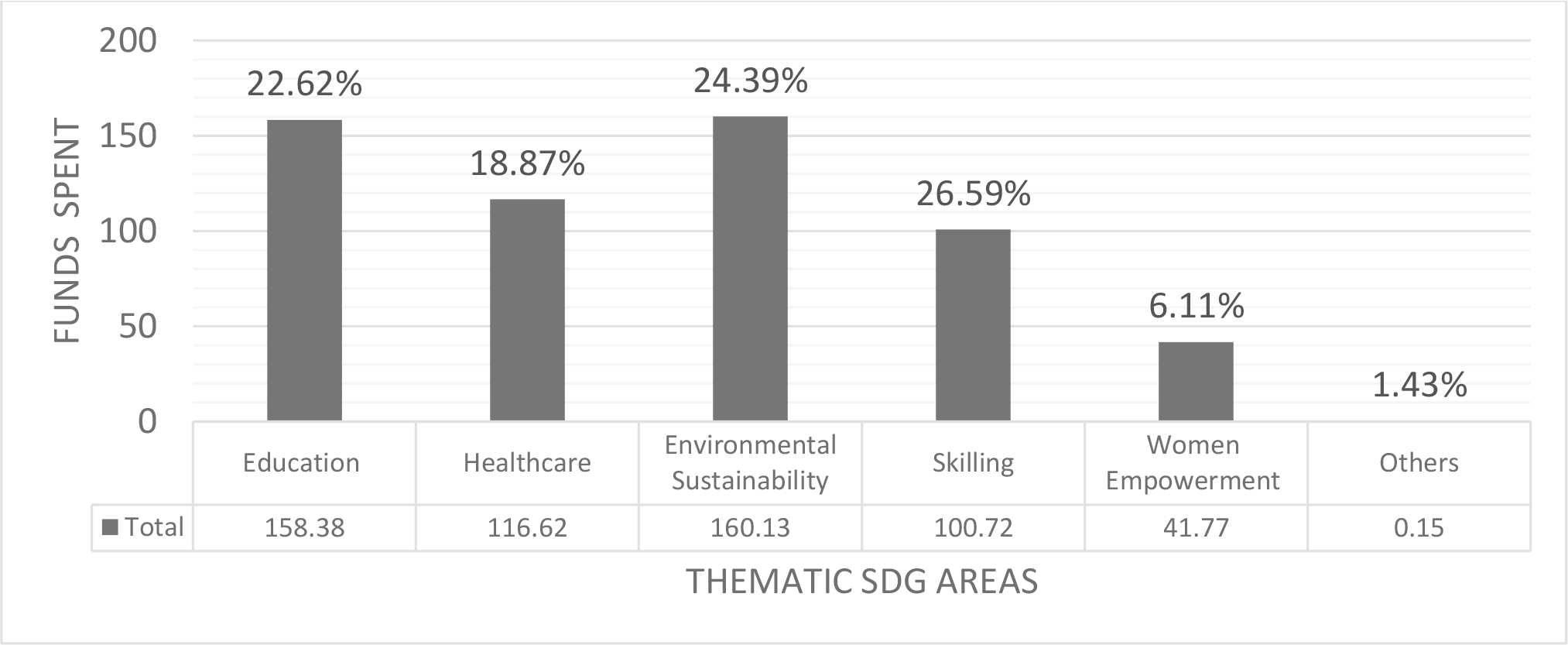
Figure 1: Analysis of Fund Allocation in Thematic SDG Areas by Hindustan Unilever
In summary, Hindustan Unilever Limited has demonstrated a well-diversified approach to corporate social responsibility by allocating funds to various thematic areas. While the highest percentage is allocated to skilling initiatives, the company has also committed substantial resources to education, environmental sustainability, and healthcare.
This diversification indicates HUL’s recognition of the multifaceted challenges facing society and its commitment to making a positive impact across a range of areas. Additionally, the inclusion of women empowerment and water-related projects showcases the company’s dedication to addressing critical societal issues beyond its core business.
3. ESG Commitments and Policy Enhancements:
| Year | Environment | Social | Governance |
|---|---|---|---|
| 2014 | Pureit Water Saver program | Project Shakti | Whistleblower policy |
| 2014 | Sustainable Agriculture Program by 2020 | Swachh Aadat, Swachh Bharat campaign | |
| 2015 | Zero waste to landfill by 2020 | Water for Public Good program | Adopted a revised Code of Business Principles |
| 2015 | Project Green Signal program | HUL Rural Health Program | Established a Board Committee on Corporate Social Responsibility |
| 2016 | Swachh Azaadi campaign | Swachh Sundar Shauchalaya program | Anti-bribery and anti-corruption program |
| 2016 | Climate Positive program | Swachhta Curriculum, a hygiene education program for schoolchildren | New policy on political contributions |
| 2017 | Sustainable Living Plan Acceleration program | Ujjawal program | Established a new Risk Management Committee |
| 2017 | 100% of its palm oil from sustainable sources by 2019 | Disaster relief and rehabilitation support | Adopted a new policy on related-party transactions |
| 2018 | Clean Street Initiative program | Prabhat program | Adopted a new policy on responsible advertising and marketing |
| 2018 | Dabbawala Sanitation Project | New Ethics and Compliance Committee | |
| 2019 | Water Stewardship program | Swachh Aadat, Swachh Bharat School Program | Launched a new policy on data privacy and cybersecurity |
| 2019 | Reducing greenhouse gas emissions by 25% by 2020 | HUL Foundation to support community | New policy on diversity and inclusion |
| 2020 | Clean Oceans Initiative | Swachh Aadat, Swachh Bharat campaign | Established a new Executive Committee |
| 2020 | 100% recyclable packaging by 2025 | HUL Cares program | Adopted a new policy on human rights |
| 2021 | Carbon Neutrality program | Swasth Swachh India program | Launched a new policy on sustainable sourcing |
| 2021 | 100% renewable electricity | Akshaya Patra Foundation | Established a new ESG Council |
| 2022 | Zero Waste program | Samridhi program | Adopted a new policy on supply chain sustainability |
| 2022 | Water neutrality in its operations by 2030 | HUL Social Impact Fund | Established a new Audit Committee of the Board |
Table 8: Timeline of Hindustan Unilever’s Initiatives in Environment, Social, and Governance (ESG) Areas. Source: Hindustan Unilever Annual Report Year-wise (2014-2022)
Hindustan Unilever Limited (HUL) has demonstrated a strong commitment to Environmental, Social, and Governance (ESG) initiatives and has implemented several policy enhancements over the years. Let’s analyze HUL’s ESG commitments and policy enhancements based on the provided data:
a) Environment :
– Pureit Water Saver program: This initiative reflects HUL’s commitment to water conservation, addressing a critical environmental concern.
– Sustainable Agriculture Program by 2020: HUL’s focus on sustainable agriculture aligns with its environmental responsibility, promoting eco-friendly farming practices.
– Zero waste to landfill by 2020: This commitment underscores HUL’s dedication to reducing waste and minimizing its environmental footprint.
– Climate Positive program: The program indicates HUL’s proactive approach to combating climate change and reducing greenhouse gas emissions.
– Clean Oceans Initiative: HUL’s involvement in ocean conservation reflects its concern for environmental sustainability.
– 100% recyclable packaging by 2025: This commitment shows HUL’s efforts to reduce plastic waste and promote responsible packaging practices.
– Carbon Neutrality program: HUL’s aim for carbon neutrality aligns with global efforts to combat climate change.
– 100% renewable electricity: The use of renewable energy sources demonstrates HUL’s commitment to clean and sustainable energy practices.
– Zero Waste program: The initiative reflects HUL’s dedication to minimizing waste generation.
2) Social:
– Project Shakti: This initiative empowers women in rural areas, addressing social and economic inequality.
– Swachh Aadat, Swachh Bharat campaign: HUL’s involvement in hygiene and sanitation campaigns contributes to public health and well-being.
– HUL Rural Health Program: This program signifies HUL’s commitment to improving healthcare access in rural communities.
-Swachh Sundar Shauchalaya program: HUL’s focus on sanitation highlights its social responsibility towards improving living conditions.
– Ujjawal program: The initiative likely supports women’s empowerment and economic development.
– Disaster relief and rehabilitation support: HUL’s involvement in disaster relief demonstrates its social responsibility in times of crisis.
– HUL Foundation to support community: This foundation reinforces HUL’s commitment to community development.
– Swachh Aadat, Swachh Bharat School Program: HUL’s involvement in hygiene education in schools contributes to the social well-being of students.
– HUL Cares program: This program likely encompasses various social initiatives to support communities.
– Swasth Swachh India program: This program reflects HUL’s commitment to public health and cleanliness.
3) Governance:
– Whistleblower policy: The existence of a whistleblower policy demonstrates HUL’s commitment to ethical governance and transparency.
– Revised Code of Business Principles: This indicates HUL’s adherence to ethical business practices.
– Board Committee on Corporate Social Responsibility: The establishment of this committee reflects HUL’s dedication to responsible corporate governance.
– Anti-bribery and anti-corruption program: HUL’s anti-corruption program underscores its commitment to ethical conduct.
– New policy on political contributions: This policy likely ensures transparency in political engagement.
– New Risk Management Committee: The formation of this committee highlights HUL’s focus on risk management.
– New policy on related-party transactions: This policy ensures fairness and transparency in business dealings.
– New policy on responsible advertising and marketing: HUL’s commitment to ethical advertising and marketing practices is evident.
– New policy on data privacy and cybersecurity: This policy addresses data protection and security concerns.
– New policy on diversity and inclusion: HUL’s commitment to diversity and inclusion is reflected in this policy.
– New policy on human rights: This policy underscores HUL’s commitment to respecting human rights.
– New policy on sustainable sourcing: This policy aligns with HUL’s commitment to responsible supply chain practices.
– ESG Council: The establishment of an ESG Council highlights HUL’s strategic approach to ESG matters.
– Audit Committee of the Board: The formation of this committee enhances corporate governance and oversight.
HUL’s ESG commitments and policy enhancements demonstrate the company’s proactive approach to environmental sustainability, social responsibility, and ethical governance. These initiatives reflect HUL’s dedication to making a positive impact on society and the environment while upholding strong corporate governance principles.
Conclusion:
Based on the analysis of Hindustan Unilever Limited’s (HUL) Corporate Social Responsibility (CSR) and Environmental, Social, and Governance (ESG) initiatives, as well as their alignment with the United Nations Sustainable Development Goals (SDGs), we can draw conclusions regarding the two hypotheses:
Hypothesis 1 : HUL’s ESG Initiatives Have Positively Impacted Its Corporate Sustainability
The null hypothesis (H0) suggests that there is no significant impact of HUL’s ESG initiatives on its corporate sustainability, whereas the alternative hypothesis (H1) proposes that there is indeed a significant positive impact.
Based on the analysis of HUL’s ESG initiatives, including their alignment with SDGs and their commitment to various sustainability goals, the evidence supports the alternative hypothesis (H1). The company’s substantial efforts and commitments indicate that its ESG initiatives have likely had a positive impact on corporate sustainability.
The analysis shows that HUL has implemented a wide range of ESG initiatives over the years, addressing various environmental and social challenges. These initiatives are aligned with several
SDGs, reflecting the company’s commitment to sustainability and social responsibility. Furthermore, HUL has set ambitious targets related to environmental sustainability, such as achieving carbon neutrality by 2030 and sourcing renewable electricity.
Hypothesis 2: HUL’s Diversified CSR Investments Have Led to Significant Positive Social Impact
The null hypothesis (H0) posits that there is no significant social impact resulting from HUL’s diversified CSR investments, while the alternative hypothesis (H1) suggests that these investments have indeed led to a significant positive social impact.
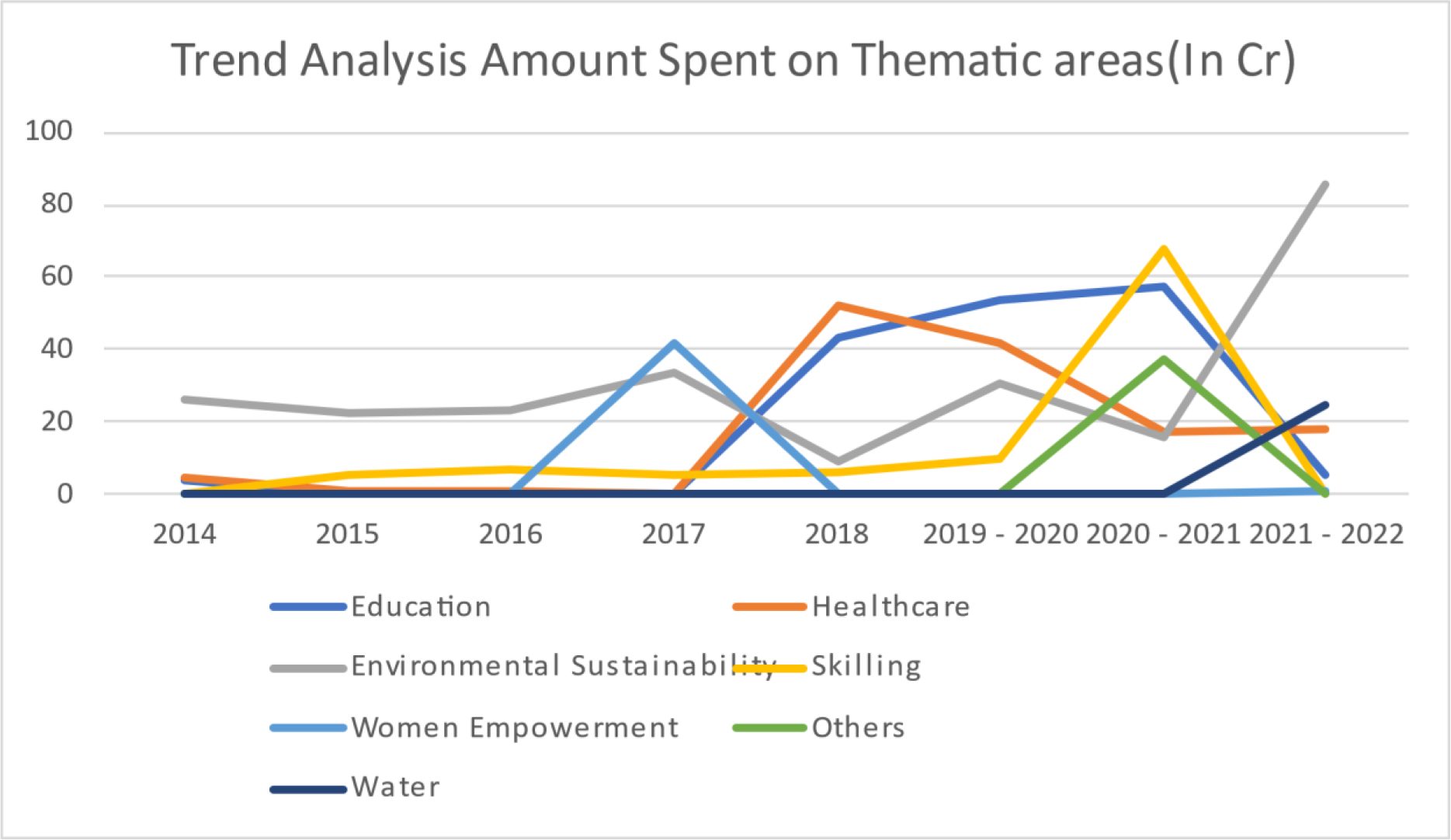
Figure 2: Trend Analysis of the CSR Amount Spent by Hindustan Unilever on SDG Thematic Areas.
The analysis reveals that HUL has diversified its CSR investments across thematic areas, including education, healthcare, environmental sustainability, skilling, women empowerment, and others. While there have been variations in the utilization of allocated funds, HUL’s commitment to these thematic areas is evident. The company has made substantial investments in healthcare and women empowerment, exceeding the allocated budgets, demonstrating its dedication to social impact.
Based on the above analysis of HUL’s CSR investments and their allocation across thematic areas, along with the fact that HUL has often exceeded the allocated budgets in certain areas, the evidence leans toward supporting the alternative hypothesis (H1). This suggests that HUL’s diversified CSR investments have likely resulted in a positive social impact across various thematic areas.
The data presented in the analysis highlights HUL’s initiatives aligned with specific SDGs, suggesting a connection between these initiatives and the corresponding SDGs. However, a comprehensive assessment of the quantitative impact on achieving SDGs would require more in- depth research, including measuring the outcomes and impact of each initiative. HUL’s comprehensive efforts in areas like poverty reduction, environmental sustainability, and ethical governance reflect a holistic approach to corporate responsibility. These findings emphasize the positive impact of HUL’s CSR and ESG initiatives on both society and the company’s long-term sustainability. Through this case study, we recognize HUL’s contributions to achieving SDGs and ESG goals, serving as a model for businesses seeking to integrate social and environmental responsibility into their core strategies.
References:
Jeevan, P. (2016). A Study on Marketing and Sustainability – A Case Study Approach with Reference to Hindustan Unilever Limited. International Journal of Scientific Research and Modern Education, 1(1), 1-6.
Peters, G. F. (2018). Reflections on governance, business ethics, and sustainability. Business & Society, 57(1), 3-19.
Scholtens, B., & Kang, F. C. (2013). Corporate social responsibility and earnings management: Evidence from Asian economies. Corporate Social Responsibility and Environmental Management, 20(2), 95-112.
Kotsantonis, S., & Serafeim, G. (2021). The conceptual framework for integrated reporting: An external analysis of corporate reports. Harvard Business School Working Paper, 21(122), 1-37.
Freeman, R. E. (1984). Strategic management: A stakeholder approach. Pitman Publishing.
Chakravarthi, A., & Chakravarthi, A. (Year). Corporate Social Responsibility (CSR) at Hindustan Unilever Ltd.—A Case Study.
Wojnicka, K., Wójcik, A., Stępień, A., & Pawlak, A. (2019). The impact of sustainable development strategies on the implementation of CSR strategies and creating value in a sustainable enterprise in the FMCG sector. Sustainability, 11(20), 5557.
Barney, J. B. (1991). Firm resources and sustained competitive advantage. Journal of Management, 17(1), 99-120.Annual Reports – Hindustan Unilever (2014-2022)
Agarwal, B. (2016). Empowering women through micro-enterprise: Project Shakti’s impact on rural women in India. Development in Practice, 26(3), 327-339.
Bebbington, J., & Unerman, J. (2018). Achieving the United Nations Sustainable Development Goals: An enabling role for accounting research. Accounting, Auditing & Accountability Journal, 31(1), 2-24.
Carroll, A. B. (1991). The pyramid of corporate social responsibility: Toward the moral management of organizational stakeholders. Business Horizons, 34(4), 39-48.
Dyllick, T., & Hockerts, K. (2002). Beyond the business case for corporate sustainability. Business Strategy and the Environment, 11(2), 130-141.
Eccles, R. G., Ioannou, I., & Serafeim, G. (2011). The impact of corporate sustainability on organizational processes and performance. Management Science, 60(11), 2835-2857.
Epstein, M. J., & Buhovac, A. R. (2014). Making sustainability work: Best practices in managing and measuring corporate social, environmental, and economic impacts (2nd ed.). Berrett-Koehler Publishers.
Frank, S. (2021). CSR impact measurement: An overview. Journal of Business Ethics, 171(1), 43- 60.
Geczy, C. C., Stambaugh, R. F., & Levin, D. (2020). Investing in socially responsible mutual funds. Review of Finance, 24(3), 577-617.
Gupta, S., & Agrawal, R. (2017). Hygiene promotion through corporate initiatives: A case study of Lifebuoy’s handwashing campaign. Health Promotion International, 32(2), 224-233.
Hart, S. L. (2005). Capitalism at the crossroads: Aligning business, earth, and humanity (2nd ed.). Wharton School Publishing.
Jhawar, N., & Jain, S. (2021). Corporate social responsibility during COVID-19: A study of top Indian companies. Journal of Business Research, 137, 488-495.
Jones, P., Hillier, D., & Comfort, D. (2016). Sustainability in the global marketplace: How businesses are addressing the challenges of sustainability. Business Strategy and the Environment, 25(7), 491-502. KPMG. (2017). Sustainable sourcing: The impact of sourcing practices on biodiversity and local communities. KPMG Report.
Mehta, L. (2019). Water scarcity and sustainable development: Water stewardship in India. International Journal of Water Resources Development, 35(3), 360-376.
Porter, M. E., & Kramer, M. R. (2011). Creating shared value: How to reinvent capitalism—and unleash a wave of innovation and growth. Harvard Business Review, 89(1/2), 62-77.
Ramani, S. V., & Dholakia, N. (2021). Lifebuoy’s health and hygiene campaign: Improving public health through corporate initiatives. Journal of Public Health Policy, 42(1), 55-70.
Ramani, S. V., SadreGhazi, S., & Duysters, G. (2012). On the diffusion of toilets as bottom of the pyramid innovation: Lessons from sanitation entrepreneurs. Technological Forecasting and Social Change, 79(4), 676-687.
Scheyvens, R., Banks, G., & Hughes, E. (2016). The private sector and the SDGs: The need to move beyond ‘business as usual’. Sustainable Development, 24(6), 371-382.
Sridhar, K., & Jones, G. (2013). The three fundamental criticisms of the triple bottom line approach: An empirical study to link sustainability to integrated reporting. Corporate Social Responsibility and Environmental Management, 20(2), 81-93.
van Zanten, J. A., & van Tulder, R. (2018). Multinational enterprises and the Sustainable Development Goals: An institutional approach to corporate engagement. Journal of International Business Policy, 1(3-4), 208-233.
Vijayalakshmi, V., & Kannan, V. (2018). Economic empowerment of women through entrepreneurship: Project Shakti in India. Journal of Entrepreneurship, 27(1), 128-144.
Visser, W. (2008). Corporate social responsibility in developing countries. In A. Crane, A. McWilliams, D. Matten, J. Moon, & D. S. Siegel (Eds.), The Oxford Handbook of Corporate Social Responsibility (pp. 473-499). Oxford University Press.
Wojnicka, K., et al. (2019). Sustainable development and CSR: The FMCG sector perspective. Journal of Business Ethics, 162(2), 287-298.