



30th October 2025
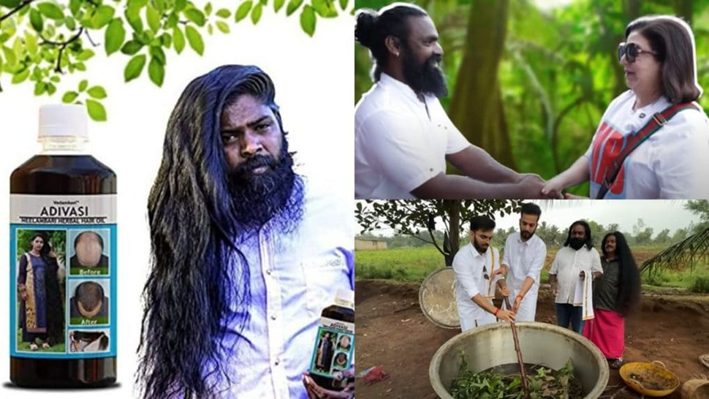
The story of Adivasi Herbal Hair Oil is one of how influencer marketing, when executed without ethical oversight or regulatory compliance, can backfire spectacularly. Rooted in the traditions of the Hakki Pikki tribe of Karnataka, the product emerged as an indigenous herbal remedy promising hair growth and scalp nourishment. The Hakki Pikki, historically known as bird catchers and herbal medicine practitioners, had long crafted their oil using 108 herbal ingredients sourced from the forest. For generations, it was a symbol of their heritage and indigenous knowledge.
When the product entered the commercial market, its initial goal was to expand beyond the tribe’s limited geographical reach. As part of its Integrated Marketing Communication (IMC) strategy, the company aimed to build brand awareness by leveraging emotional storytelling around tribal purity and authenticity. This marked the product’s awareness stage in the IMC framework—using influencers and visual content to make consumers aware of a “natural, ancestral secret” for hair growth.
The Rise of Adivasi Hair Oil on Social Media
Across platforms such as Instagram and YouTube, users came across videos of men and women flaunting long, thick hair, often holding a bottle of the oil, with captions emphasizing its “tribal purity” and “centuries-old natural formula.” The marketing tone was organic and relatable, showing “real” people rather than polished models. This helped the campaign gain rapid traction among audiences seeking natural alternatives to chemical-laden products.
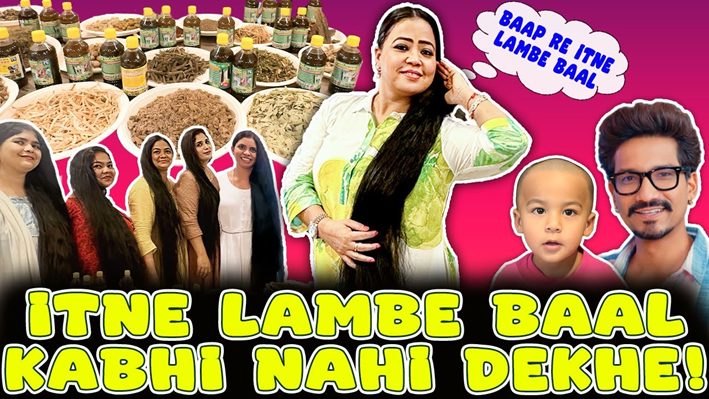
The brand’s campaign featured over 238 influencers — including nano, micro, and macro influencers — promoting the oil. The most notable endorsements came from Faisal Shaikh (Mr. Faisu), who visited the tribal region and shared his experience on his YouTube channel, along with Elvish Yadav, Bharti Singh, Sonu Sood, and Farah Khan, who showcased the product on their digital platforms. In one video, Farah Khan was seen praising the oil, saying, “Dekh mera baal kitna acha ho gaya (Look how my hair has improved).” Such celebrity-driven narratives created virality, making the oil appear credible and authentic.
Source: Storyboard18
Source: Storyboard18
However, this surge in influencer promotion, while initially effective in driving awareness, soon began to unravel. Questions began surfacing about the product’s certifications, as it was not approved by FSSAI or FDA. The absence of regulatory endorsement, combined with influencer-led promotions that claimed dramatic results, sparked criticism for misleading advertising.
False Claims and Consumer Backlash
In multiple influencer videos, claims were made that bordered on medical exaggeration. For example, in one clip by a regional YouTube influencer, the oil was touted as being able to “reverse baldness in 14 days” with before-and-after photos showing thick regrowth — visuals that dermatologists later confirmed were stock images. Another video by a lifestyle influencer claimed that “the oil not only removes dandruff but also turns grey hair black naturally.” None of these claims were backed by scientific data or clinical studies.
Doctors were quick to respond. Dermatologists emphasized that baldness and hair loss are primarily influenced by genetics, hormones, and overall health. Dr. Sayyad Ajara T. Hamid, a dermatologist and hair transplant specialist, explained that no topical oil can regrow dead hair follicles. “What we see in some of these videos is not science, but storytelling,” she said. Experts also noted that the long, thick hair of some tribal community members could be attributed to genetic and lifestyle factors, not necessarily the oil itself.
Medical professionals further warned that applying excessive herbal oil without dermatological advice could worsen scalp conditions. They clarified that dandruff is often caused by fungal infections, which require medicated treatment, not oil-based solutions. As skepticism spread, social media began flooding with negative reviews. On Amazon, users posted comments such as: “The worst oil ever used… my hair fall increased after use,” and “Smells unpleasant and no results even after a month.” Meanwhile, YouTube reviewers posted critical videos titled “Don’t Fall for This Scam” and “The Truth Behind Adivasi Hair Oil.”
Expert Opinions and Industry Insights
The controversy opened discussions around influencer responsibility. Sooraj Pillai, Group Creative Director at DDB Mudra Group, called the brand concept “a lie,” saying that apart from monetary gains, there was little reason for influencers to endorse such a product. “There’s no way to prove the product’s effectiveness unless used for a long duration — which influencers clearly hadn’t,” he remarked.
Industry experts noted that the campaign blurred the line between storytelling and misinformation. The emotional appeal of tribal authenticity was used to compensate for lack of certification. Amyn Ghadiali of Gozoop Digital highlighted that influencers “can make anything look legit” but that without FSSAI or FDA approval, such endorsements were ethically questionable. The campaign’s success in virality was short-lived, as it soon faced scrutiny from consumers and the Advertising Standards Council of India (ASCI) for false claims and unsubstantiated testimonials.
Ethical Implications and ASCI’s Role
This case illustrates the ethical gray area in influencer marketing. The ASCI’s Influencer Guidelines (2021) clearly state that influencers must disclose paid promotions and ensure that any product claims are truthful and evidence-based. Adivasi Hair Oil’s campaign violated these principles on several counts — lack of disclosure, exaggerated claims, and endorsements of a non-certified product.
ASCI received complaints and initiated an inquiry into several digital promotions, underscoring the need for greater accountability in India’s influencer ecosystem. The incident highlighted that while influencers act as powerful communication tools in the IMC mix, their credibility depends on the accuracy and honesty of their messaging.
IMC and Brand Management Perspective
From a Marketing Communication and Brand Management lens, Adivasi Hair Oil’s campaign offers key learning points. In the IMC hierarchy, the brand was in the awareness and persuasion stage — seeking to capture attention and build emotional connection. While the campaign successfully achieved high reach, it compromised on authenticity and ethical standards, damaging brand equity.
The case also reflects the tension between cultural storytelling and scientific substantiation. By positioning itself as a tribal remedy, the brand evoked empathy and curiosity. However, without validated proof, the campaign transformed into an ethical misstep. This incident underscores how short-term virality can harm long-term brand credibility.
Relevance to Marketing Communication and Brand Management
This case is relevant to several core concepts in the course:
– Integrated Marketing Communication (IMC): Demonstrates how influencer-led awareness campaigns can succeed initially but fail without ethical grounding.
– Ethical Issues in Marketing Communication: Highlights the responsibility of both brands and influencers in ensuring truthful, evidence-based communication.
– ASCI’s Role: Illustrates the importance of self-regulation in preventing deceptive advertising.
– False Claims in Advertising: Shows how exaggeration in product performance can erode consumer trust and brand reputation.
Discussion Questions and Answers
1. What IMC stage was Adivasi Hair Oil’s campaign positioned in, and what were the tools used?
2. Identify the ethical lapses in the Adivasi Hair Oil influencer campaign.
3. How could the brand rebuild trust post-controversy?
Course Relevance– Advertising and Integrated Marketing Communication
Theoretical Alignment – The caselet is aligned to theoretical aspects of Integrated Marketing Communication, promotional mix, influencer marketing and ethics in influencer marketing
Teaching Note
Learning Objectives:
– To understand how integrated communication strategies can both build and damage brand credibility.
– To analyze ethical challenges in influencer marketing within the Indian context.
– To evaluate the role of ASCI and regulatory frameworks in maintaining truthful advertising.
– To discuss how IMC strategies can be realigned to ensure responsible brand storytelling.
Teaching Approach:
Students can analyze the communication breakdown using the AIDA model (Attention-Interest-Desire-Action). Discussions can extend to how influencer contracts can include ethical clauses and verification mechanisms to prevent misinformation.
References
1. Storyboard18 (2024). Adivasi Hair Oil and the influencer backlash: When marketing meets misinformation.
2. The Economic Times Brand Equity (2024). Influencers under fire for promoting uncertified herbal hair oil.
3. Advertising Standards Council of India (ASCI) Guidelines (2021). Influencer Advertising and Disclosures in Digital Media.
4. Interviews with dermatologists and marketing experts cited across Storyboard18 and ETBrandEquity reports.
5. Amazon and YouTube user reviews analyzed (2024).