







Course Relevance: This case let is best suited for MBA/BBA course under these subjects:
Logistics and Supply Chain Management
Business Economies
International Business
Academic Concepts: After discussing this case let students should be able to understand these concepts:
Demand and supply concepts
Supply chain challenges
Changes in consumer behaviour due to global war situation
Geopolitical risks.
Inflation impact on household.
Background
The Strait of Hormuz, located between Iran and Oman, is one of the world’s most strategic maritime chokepoints. Nearly one-fifth of global crude oil and a large share of liquefied petroleum gas (LPG) and liquefied natural gas (LNG) exports pass through this narrow corridor. Any disruption in this route can trigger immediate supply shocks, leading to global price volatility.
In early 2026, rising geopolitical tensions in the Middle East, particularly involving Iran, the United States, and Israel, threatened the flow of crude oil and gas through Hormuz. While global oil markets reacted swiftly, the consequences extended far beyond Wall Street. India, heavily dependent on imported oil and LPG, faced the direct impact on domestic cooking fuel prices, affecting millions of households.
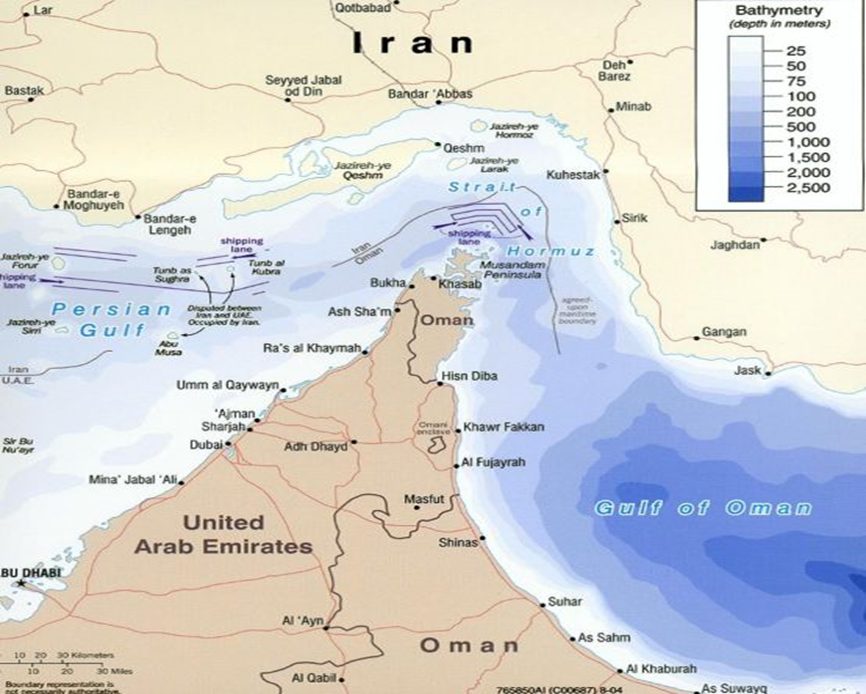
The Oil Price Shock
Global Transmission
When Hormuz faced near-closure due to geopolitical risks, Brent crude prices surged above $100 per barrel. Physical oil cargoes traded at even higher premiums due to scarcity. Traders worldwide factored in “risk premia” — additional costs accounting for potential supply disruptions — which kept prices elevated even in the absence of an actual long-term shortage.
The disruption had several macroeconomic effects:
- Inflationary pressure: Higher crude prices directly increase transportation, manufacturing, and utility costs.
- Current account strain: India imports more than 80% of its crude; higher oil costs widened the trade deficit.
- Industrial ripple effects: Oil marketing companies had to manage higher import bills, sometimes absorbing costs to prevent immediate price shocks for consumers.
Domestic Implications
In India, crude and LPG price volatility manifests in household fuel costs, affecting cooking fuel availability and affordability. While the government maintains subsidized LPG for households, supply constraints and delays created short-term scarcity, particularly in smaller towns and rural areas.
From Global Oil to Cooking Gas
Dependence on Imports
India imports around 60% of its LPG, with a large portion passing through Hormuz. The disruption led to:
- Delayed cargo arrivals
- Inventory shortages in refineries and distribution networks
- Temporary spikes in cylinder prices, particularly for commercial users
This demonstrates the sensitivity of domestic energy markets to global geopolitical events, even when the events are thousands of kilometers away.
Price Volatility Effects
Households and small businesses experienced the following:
- Rising costs: Some cities reported LPG cylinder prices increasing by 5–10% due to tight supply.
- Panic buying: Consumers rushed to refill cylinders in anticipation of further shortages.
- Alternative fuel usage: Kerosene and coal saw a temporary resurgence as households and small restaurants sought cheaper options.
Small businesses, like street food vendors and restaurants, faced higher operational costs, forcing them to reduce menu offerings or raise prices. This illustrates how global shocks can trickle down to the local, everyday economy.
Policy Responses
India’s response to Hormuz-related fuel volatility highlights lessons in energy security and crisis management:
- Prioritization of household consumers: LPG cylinders were first allocated to households rather than commercial users, ensuring basic needs were met.
- Diversification of supply: Efforts to import LPG from alternative sources, including Africa and Southeast Asia, helped mitigate shortages.
- Strategic reserves: The government increased storage capacity and explored long-term energy storage options to reduce vulnerability.
- Promotion of alternatives: Use of piped natural gas, renewable energy, and traditional fuels was encouraged temporarily to ease pressure on LPG.
Conclusion
The Hormuz supply shock illustrates the interconnected nature of global energy markets and how a regional geopolitical conflict can quickly impact domestic households. India’s experience shows that while global shocks cannot always be prevented, strategic planning, supply diversification, and timely policy interventions can reduce the intensity of their impact on everyday life.
The case emphasizes the importance of energy resilience, not just for the economy but for the day-to-day well-being of millions of citizens who rely on cooking fuel for basic sustenance.
Discussion Questions:
- How does dependence on oil transported through the Strait of Hormuz create risk for countries like India?
- How can India balance energy security, affordability, and sustainability in the face of global oil price shocks?
- How do oil price shocks contribute to inflation, and what sectors are most affected?
- How can companies and governments build resilience against disruptions in global supply chains?