







Course Relevance: This Course is designed for the following PGDM/MBA courses:
- Consumer Behavior
- Marketing Management
- Digital Marketing
- Sales and Distribution Management
Academic Concepts:
The case let draws on multiple models and theories like:
- Consumer Behavior Model
- Psychological theory
- Relationship Marketing Concept
- Fermium Business Model
- Customer Lifecycle theory
Background of the Study
The music consumption landscape has experienced an incredible change over the last 20 years. The substitution of the physical music such as CD and vinyl with the digital downloads and currently streaming on demand has changed the way in which people experience and interact with music on a fundamental level. Spotify, Apple Music, and YouTube Music platforms have emerged as the world leaders in the redefinition of the music industry by providing the user with access to millions of songs on short notice regardless of location (Wan et al., 2024).
Not only have these online platforms transformed the way one listens to music, they have also changed the way music is marketed in the entertainment industry. Music consumption in the streaming model is now not grounded on the one-time ownership but continuous engagement. The future of platforms is to attract, satisfy and keep its users in a platform by means of innovative marketing techniques. This has resulted in a new paradigm where technology, psychology and emotion are combined to form user experience (Baltazar, Burunat and Saarikallio, 2024).
The streaming industry is highly competitive and firms have come up with unique marketing strategies in order to differentiate their product. Four approaches have particularly gained prominence, namely: personalization, which offers customized suggestions based on listening behaviors; the freemium model, which includes both free and premium choices; social integration, which encourages people to interact and share and emotional branding which establishes emotional connections with users and the platform. Collectively, these strategies can affect the process of music selection by the users as well as their perceptions of value, satisfaction, and loyalty.
With streaming as the leading form of music consumption among consumers across the globe, it is critical to learn the influence of these marketing techniques to consumer behaviour. The dependency of the user on the streaming service is not strictly speaking functional but emotional, habitual, and identity-based. The study hence attempts to examine how marketing efforts influence user engagement, satisfaction and attachment in the long run, in the digital music ecosystem.
In order to investigate how the marketing strategies influence consumer behaviour in music streaming services, it will be necessary to consider how the personalization, freemium models, social integration, and emotional branding affect the engagement, satisfaction, and loyalty (Feng, Yuan and Liu, 2025).
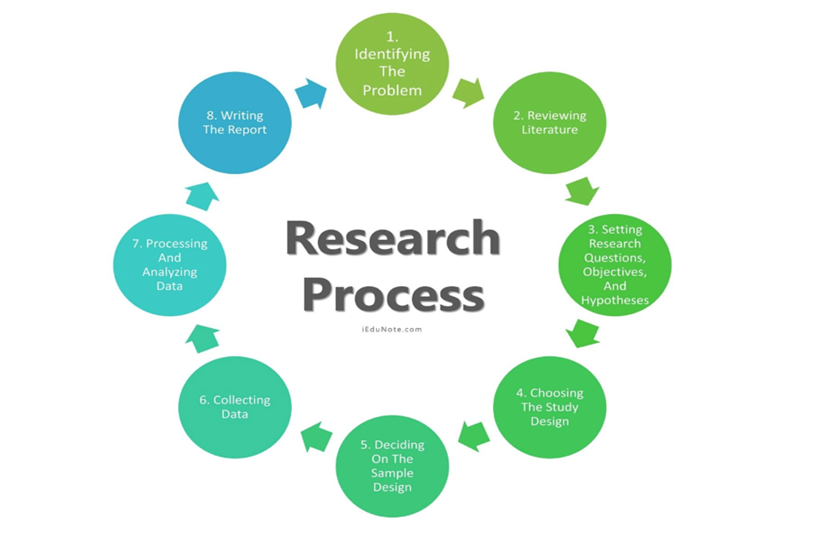
Figure 1: Research Process Overview
Source: (Braun and Clarke, 2006)
This has disrupted the marketing trends of the music industry as the music industry moves towards digital access rather than physical. The old methods of marketing that revolved around purchasing and advertising products have changed to the one that is more experience related, personal and data driven. Streaming marketing is based on the management of the relationship with users by maintaining direct contact with them constantly and not at one point sale. As a result, encouraging consumer satisfaction, loyalty, and commitment to behavioural level are now essential strategies that are developed on the basis of personalisation, freemium access, social integration, emotional branding (Hauashdh et al., 2024).
Contemporary consumers require convenience, reality, and emotive response to their online experiences. This anticipation compels companies to integrate technology and a combination of inventiveness and emotional intelligence. Uniquely compiled playlists, social functionality, and emotionally connecting campaigns are currently the core components of user retention. These mechanisms are crucial to the understanding of the impact of digital marketing on decision-making and user loyalty.
Challenges faced by Music Streaming Services
This case will cover the major challenges faced by music streaming services in India like higher competition and subscription retention, Consumer engagement and converting free users to paid subscribers. It then examines four important marketing techniques namely, personalisation, freemium models, social integration, and emotional branding and then discusses how they interrelate followed by the research gaps and the conceptual synthesis which is the basis of this study.
Understanding Consumer Behaviour in Digital Music Streaming
The Evolution of Consumer Behaviour in the Music Industry
The development of the consumer behaviour in music industry indicates the greater technological and cultural shift of digital consumption. Traditionally, customers have been buying music in their physical form, be it records, cassettes, or CDs, and getting to own a physical product. The introduction of digital downloads represented the initial period of dematerialisation, yet, files were still owned by the users. The concept of streaming has led to the push out of ownership to access in which the user is charged accordingly based on unlimited access and not ownership.
This has shifted the character of value perception. There is no longer the need of consumers owning but convenience, personalisation, and freedom of choice. This makes music streaming platforms service providers that do not offer commodities but experience. The transition to relational to transactional engagement implies that the success of marketing lies in the ability to have an uninterrupted emotional and behavioural relationship (Rehman, Gulzar and Aslam, 2022).
Consumers who are streaming have come up with new behavioural expectation. They want immediate access, customized recommendations and flawless integration into their everyday lives. Consequently, streaming marketing does not involve the persuasion but the cultivation of experiences which respond to the moods, identities and lifestyles of individuals. This continuous interaction changes the role of a consumer, who is no longer a passive buyer, but a participant in the digital ecosystem that is in the process of development.
Psychological and Emotional Drivers of Consumer Behaviour
Nostalgia, joy, inspiration, and all other motivational emotions come to mind when one thinks of music, which is the strongest product to tap into the heart of consumers concerning emotion. Psychological factors like mood control, identity expression and perceived control play a big role in determining whether or not a user chooses a certain streaming service. Playlists and artists acquire personal meaning to the consumer, making them engage in emotional rituals over their listening practices. Places that have a high level of affective response can provide a stronger psychological bond between them leading to increased loyalty (Al-Dmour et al., 2023).
Comfort is also a motivating factor psychologically. Users enjoy the freedom to explore new music at all times, change the music genre, and create playlists. Emotional satisfaction and habitual involvement is created by this perceived control. Every new thing found builds confidence in the user that the platform knows about his or her interests, which adds to the trust and bond.
Emotional fulfilling of music discovery makes the ordinary listening a rewarding process. This emotional connection over the course of time becomes behavioural loyalty – where users keep using the platform not because they need it, but because the platform makes them feel good and themselves (Martins and Rodrigues, 2024).
Social and Cultural Influences on Behaviour
The streaming era of music consumption is a social phenomenon. Playlists are shared, friends are followed and communities formed around genres or artists initiated around the users. This social interaction fulfils psychological needs of belonging, recognition and self-expression. The music is the way through which people can bring each other together and express their personalities. Consumption behaviour is also influenced by cultural trends and events occurring all over the world. Listening preferences are affected by viral issues, artist partnerships, and social media incorporation. Individual listening can be changed into shared contribution when platforms can be shared and discussed. This sort of process makes consumers co-producers of cultural value.
Brand attachment is enhanced by sense of community in the streaming platforms. Social users are likely to be loyal to the company because they get both entertainment and social satisfaction. Thus, creative use of technology makes the streaming services effective by incorporating both the community and technology into the user experience and also the technology turns a single user into a brand promoter (Jeong and Lee, 2021).
Key Dimensions of Consumer Behaviour in Streaming
Music streaming consumer behaviour can be examined in four dimensions, such as engagement, satisfaction, conversion, and loyalty, that comprise a behavioural loop.
| Dimension | Description | Examples |
| Engagement | Frequency and depth of interaction | Playlist creation, discovering new songs |
| Satisfaction | Emotional fulfilment and contentment | Enjoyment, ease of navigation |
| Conversion | Transition from free to paid user | Upgrading for ad-free or offline listening |
| Loyalty | Continued preference and advocacy | Renewing subscriptions, recommending to peers |
Table 2: Dimensions of Consumer Behaviour in Music Streaming Services
All the stages are connected to each other creating a vicious cycle. Increased involvement brings out satisfaction that enhances the chances of conversion and the loyalty. The thinking about this scale is essential to examining the use of marketing options that encourage user behaviour over time, including personalisation, freemium access and emotional branding (Mori, 2022).
Personalisation as a Marketing Strategy
Concept of Personalisation in Digital Marketing
Digital marketing is based on personalisation, particularly on streaming sites. It entails personalisation of user experiences based on algorithms that check on the tactics of listening history, behavioural information, and preferences. Personalisation creates a feeling of uniqueness and being recognised by providing or rather advancing pertinent suggestions. It goes beyond demographic segmentation and deals directly with the users at an individual level.
This user experience is more personal, resulting in a better user satisfaction. Once a user identifies that the platform understands him or her, it turns into a friend that matches his or her emotional and aesthetic identity. Accordingly, personalisation is not only the feature, but the philosophy of the marketing and it is ingrained in the product design and in the user experience (Jylhä, Hirvonen and Haider, 2025).
2.3.2 Mechanisms of Personalisation in Streaming Services
Personalization is a cyclical data-based process. Starting with gathering behavioural information (type of listening, likes, skips, and search results), it is continued by analyzing the data algorithmically to forecast preferences. That system then picks personalized playlists and recommendations that create user feedback that will further specifications of future predictions.
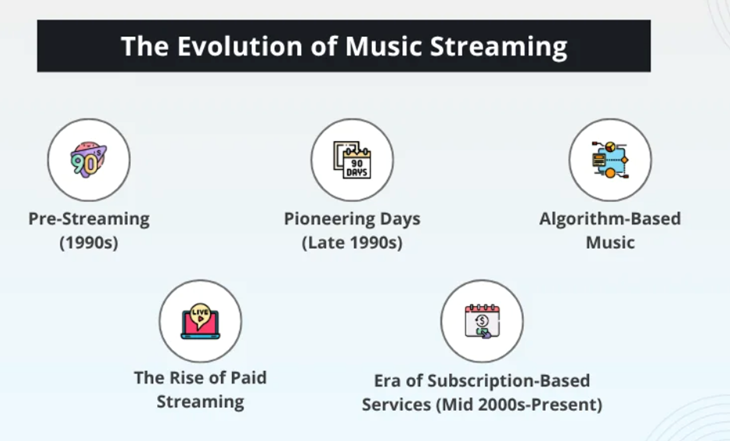
Figure 2: The Personalization Loop in Music Streaming Services
Source: (Ratchford, 2020)
This loop cycle guarantees adaptive personalisation which can be modified as the user preferences change. The higher the accuracy, the greater satisfaction and the amount of time within the platform, hence loyalty and advocacy.
Impact of Personalisation on Consumer Behaviour
Individualisation influences the perceptions of value and relevance to the users. It causes less thinking during the decision-making process and an increase in emotional satisfaction. The emotional reaction to make a person feel understood and valuable is transformed into habitual interaction. The loyalty caused by psychological attachment, and not functional dependency, is acquired by users with time.
Besides, discovery is fuelled by personalisation. This discovery of a new artist according to his/her taste arouses curiosity and makes visitors active. In this way, the personalisation does not only keep the users but makes them the long-term consumers of the brand ecosystem (Mohammed, 2024).
Freemium Marketing Models
Concept of the Freemium Model
Freemium is the model to make a combination of free basic access and premium upgrades that are paid. It does not require any financial expenses to get acquainted with the platform and attracts users to upgrade to more advanced options including ad-free listening, off-line downloading, and a higher level of sound quality (Pereira et al., 2025).
This will make the product a marketing tool on its own. Free users get the taste of the value of the service which makes them more convertible. The model is based on inquisitiveness, addiction, and gratification to turn casual users into subscribers.
2.4.2 The Freemium Conversion Funnel
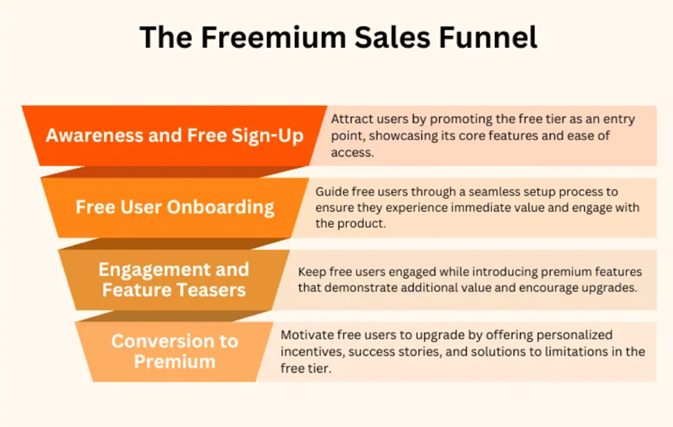
Figure 3: The Freemium Conversion Funnel in Streaming Services
Source: (Shang et al., 2024)
The funnel shows that the engagement leads to conversion. Before users commit their finances they must experience value. Superior freemium schemes give sufficient free features to create dependency without losing access to major incentives to upgrade.
Impact of the Freemium Model on Consumer Behaviour
The consumer attitude depends on the freemium strategies which affect it by access and emotional involvement. Playlists and routines are created by the free users, and they create a sense of psychological ownership. This investment as perceived builds loyalty, even prior to payment.
Frustration and longing are also served in the model so subtly through adverts that users are gently led on to upgrade. This emotional tension portrays a need to have a better experience. When transformed, the premium access becomes more rewarding to them, supporting the long-term satisfaction and advocacy (Ravi, Mr Sujaya and Mustafa Shuaieb Sabri, 2021).
Challenges and Strategic Balance in Freemium Marketing
One of the most important struggles is to ensure a balance between free services and premium services. Excesses of either generosity or restriction result in less conversion, yet will be dissatisfying (Pandit, 2024).
| Aspect | Too Generous | Too Restrictive | Optimal Approach |
| Access | Low conversion | High churn | Moderate limitations |
| Advertising | Reduced urgency to upgrade | User frustration | Balanced frequency |
| Feature Set | No upgrade incentive | User dissatisfaction | Clear premium benefits |
Table 3: Strategic Balance in the Freemium Model
It is necessary to be innovative in order to keep the user interested and come up with limited time offers and added features frequently. Freemium marketing creates trust, engagement, and organic marketing when it is properly balanced with the help of a word-of-the-mouth type of sharing.5 Social Integration and Community Influence
Concept of Social Integration in Streaming Platforms
Social integration makes streaming platforms communities. The playlist sharing, friend feeds, and collaborative playlists are some of the features that make listening a social aspect. The end users get a chance to become co-creators, and their emotional and social attachment to the platform is enhanced.
The integration increases belonging and recognition. With the relationship between self-tensile and wider community involvement, social features transform the brand into a social experience.
The Role of Social Influence in Consumer Behaviour
Discovery and engagement is motivated by peer influence. Listening activity of friends makes preferences valid and creates a desire to listen.
| Social Feature | User Benefit | Behavioural Impact |
| Playlist Sharing | Enables self-expression and recognition | Increases engagement |
| Collaborative Playlists | Encourages creativity and bonding | Strengthens loyalty |
| Friend Activity Feed | Offers insight into peer preferences | Promotes discovery |
| Social Media Integration | Connects external networks | Expands brand visibility |
Table 4: Social Features and Their Impact on Consumer Behaviour
Inclusivity, privacy and engagement must be balanced to build and strengthen trust within a community in a sustainable way (Moldovan et al., 2024).
Building Communities and Enhancing Brand Loyalty
Social integration will create brand communities that create emotional attachment. The brand is ingrained in the social behavior of users with collaborative playlists, social challenges, and shared experiences.
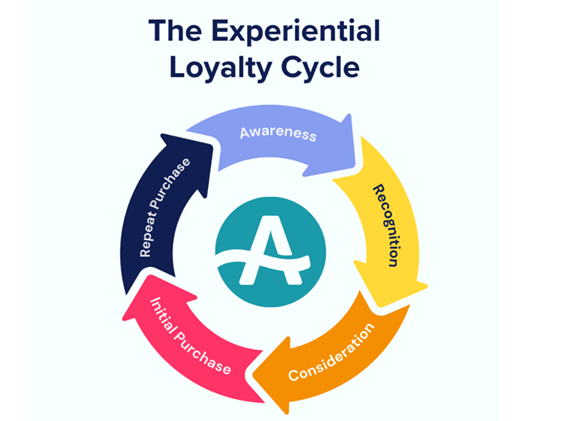
Figure 4: Social Integration and Brand Loyalty Cycle
Source: (Pate et al., 2021)
These social ecologies enhance the participation and turn the customers into long term affiliates of the brand cultural identity.
Strategic Advantages and Limitations of Social Integration
Social integration minimizes the marketing cost with promotion generated by users but need balance. One risk is the over exposure which will drive away private users, and the other is the poor content control which will produce bad experiences.
| Aspect | Potential Risk | Strategic Approach |
| Privacy | Oversharing discomfort | Custom visibility options |
| Content Moderation | Inappropriate posts | Community guidelines |
| Feature Overload | User fatigue | Simplified design |
| Inclusivity | Exclusion of introverts | Optional participation |
Table 5:Strategic Balance in Social Integration
Finding the right balance between inclusivity, privacy and engagement makes the community building process sustainable and builds trust.
Emotional Branding and Experiential Marketing
Concept of Emotional Branding
Emotional branding entails extensive emotional ties between the consumers and the brands. This is especially fervid in music streaming since music already has feelings attached to it. Through the sense of identification and memory appeal, emotional branding makes usage attachment. Online platforms are as well made emotional friends, which reflect the moods and the lifestyles of people.
Experiential Marketing and Emotional Engagement
Experiential marketing forms memorable experiences that create a distinction of the brand. The existence of interactive elements such as the Year in Review campaign or Top Artists campaign causes a feeling of nostalgia and a feeling of achievement.
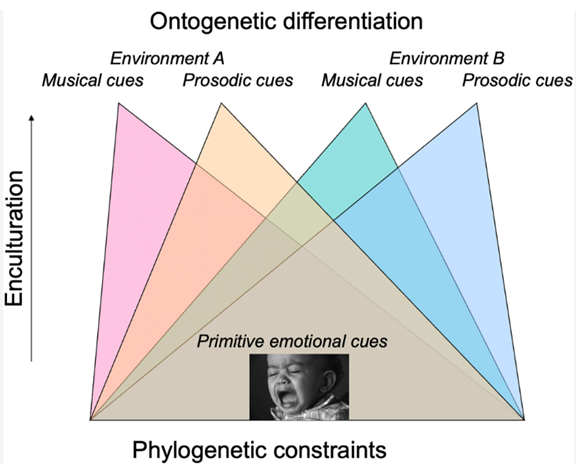
Figure 5: The Emotional Experience Cycle in Music Streaming
Source: (Saura, Škare and Dosen, 2024)
These tactics make ordinary listening a highly emotional moment that leaves the brand ingrained in the personal experiences of the users.3 Impact of Emotional Branding on Consumer Behaviour
Users who are emotionally attached have a better level of loyalty, price insensitivity and advocacy. They recognize the platform either with happiness, ease or inspiration, which are emotions beyond functionality. Emotional branding therefore turns customers into ambassadors who can share their experiences in an authentic manner (Bazen, Barg and Takeshita, 2021).
Strategic Practices and Challenges in Emotional Branding
| Aspect | Key Objective | Potential Risk | Strategic Solution |
| Authenticity | Build genuine emotional trust | Perceived manipulation | Align emotions with real experiences |
| Innovation | Keep experiences exciting | Repetition or fatigue | Introduce new themes and campaigns |
| Consistency | Maintain brand identity | Mixed messages | Use unified emotional tone |
| Personalisation | Strengthen emotional relevance | Privacy concerns | Offer user control and transparency |
Table 6: Strategic Considerations in Emotional Branding
The power of emotional branding is in merging creativity and sincerity that works to convert practical interest to emotional attachment.
Interconnected Nature of Marketing Strategies
Freemium access, emotional branding, integrating with social environment and personalization depend on each other. The combination produces a complete user experience in which each element supports the other including: personalization stimulating satisfaction, social integration cultivating a feeling of belonging, freemium access increasing reach and emotional branding creating loyalty (Skålén et al., 2022).
Strategic Synergy and Organisational Benefits
| Strategy | Functional Role | Synergistic Link | Consumer Impact |
| Personalisation | Builds relevance | Enhances emotional branding | Increases satisfaction |
| Freemium Model | Expands access | Supports engagement | Encourages conversion |
| Social Integration | Fosters community | Strengthens advocacy | Builds loyalty |
| Emotional Branding | Creates attachment | Reinforces trust | Sustains retention |
Table 7:Strategic Synergy in Integrated Marketing
Integration brings about consistency and builds brand ecosystem making sustainable competitive advantage by creating meaningful user experiences.
Methodological and Contextual Limitations
| Research Focus | Current Limitation | Future Research Need |
| Quantitative Metrics | Overreliance on numerical data | Inclusion of qualitative insights |
| Short-Term Studies | Focus on immediate engagement | Longitudinal analysis of loyalty |
| Platform-Centric | Limited to specific brands | Comparative cross-platform research |
| Emotional Dimensions | Often neglected | Exploration of affective experiences |
Table 8: Identified Methodological Gaps
Social diversity, morality, and transparent data are also not addressed enough, especially not in the non-Western contexts (Martins and Rodrigues, 2024).
After referring this case let, students should be able to:
Learning Objective:
- Understand the consumer buying behavior
- Impact of marketing strategy on music streaming service
- How to engage the customer
- How to gain the loyalty of customer
Discussion Points:
- What should be the current marketing strategies to engage the customer?
- What are the approaches company should use to get the customer loyalty?
- How does peer influence affect customer decision in music streaming services?
Questions for Reflection:
- What is the effect that personalization strategies have on the user experience and satisfaction levels of music streaming mortality?
- How does the freemium model, regarding consumer decision-making and loyalty, perform?
- What is the role of social integration and emotional branding in retaining and attaching customers in the long run?
Reference
Baltazar, M., Burunat, I. and Saarikallio, S. (2024). The Emotional Complexity of Musical Experiences: Cultural and Individual Factors. [online] doi:https://doi.org/10.31219/osf.io/fzku8.
Bazen, A., Barg, F.K. and Takeshita, J. (2021). Research techniques made simple: An introduction to qualitative research. Journal of Investigative Dermatology, [online] 141(2), pp.241–247. doi:https://doi.org/10.1016/j.jid.2020.11.029.
Feng, S., Yuan, R. and Liu, J. (2025). Short Video Marketing or Live Streaming Marketing: Choice of Marketing Strategies for Retailers. Mathematics, [online] 13(16), pp.2675–2675. doi:https://doi.org/10.3390/math13162675.
Hauashdh, A., Nagapan, S., Jailani, J. and Gamil, Y. (2024). An integrated framework for sustainable and efficient building maintenance operations aligning with climate change, SDGs, and emerging technology. Results in Engineering, [online] 21, p.101822. doi:https://doi.org/10.1016/j.rineng.2024.101822.
Hoelscher, V. and Chatzidakis, A. (2020). Ethical Consumption Communities Across Physical and Digital Spaces: An Exploration of Their Complementary and Synergistic Affordances. Journal of Business Ethics. doi:https://doi.org/10.1007/s10551-020-04477-6.
Jylhä, V., Hirvonen, N. and Haider, J. (2025). Algorithmic recommendations in the everyday life of young people: imaginaries of agency and resources. Information Communication & Society, pp.1–17. doi:https://doi.org/10.1080/1369118x.2025.2470227.
Martins, J. and Rodrigues, R. (2024). Motivations in the adoption and conversion of freemium services: insights for digital entrepreneurship. Review of Managerial Science. doi:https://doi.org/10.1007/s11846-024-00754-0.
Mohammed, S.J. (2024). Digital Marketing and its Role in Customer Engagement. American Journal of Economics and Business Management, 7(8), pp.414–422. doi:https://doi.org/10.31150/ajebm.v7i8.2895.
Moldovan, M.-G., Dabija, D.-C., Stanca, L. and Pocol, C.B. (2024). A Qualitative Study on the Consumer Behaviour Related to Food Waste: Romanian Perspectives through Word Cloud and Sentiment Analysis. Sustainability, [online] 16(10), pp.4193–4193. doi:https://doi.org/10.3390/su16104193.
Mori, K. (2022). Decoding peak emotional responses to music from computational acoustic and lyrical features. Cognition, 222, p.105010. doi:https://doi.org/10.1016/j.cognition.2021.105010.
Pandit, V.N. (2024). UNDERSTANDING CONVERSION FUNNELS AND NON-LINEAR CUSTOMER JOURNEYS IN DIGITAL MARKETING: A STUDY OF FACEBOOK ADVERTISEMENTS. [online] doi:https://doi.org/10.13140/RG.2.2.34517.64484.
Pereira, Schmitt, B., Cordeiro, B.A. and Schmitt, B. (2025). Factors of Customer Loyalty and Retention in the Digital Environment. Journal of Theoretical and Applied Electronic Commerce Research, [online] 20(2), p.71. Available at: https://www.mdpi.com/0718-1876/20/2/71 [Accessed 9 Nov. 2025].
Ravi, D.B., Mr Sujaya and Mustafa Shuaieb Sabri (2021). SOCIAL MEDIA MARKETING: A CONCEPTUAL STUDY. SSRN Electronic Journal, [online] 8(1), pp.63–71. Available at: https://www.researchgate.net/publication/354967866_SOCIAL_MEDIA_MARKETING_A_CONCEPTUAL_STUDY [Accessed 9 Nov. 2025].
Shang, Y., Jiang, J., Zhang, Y. and Zhang, R. (2024). When Does a Freemium Business Model Lead to High performance? — a Qualitative Comparative Analysis Based on Fuzzy Sets. Heliyon, [online] 10(3), pp.e25149–e25149. doi:https://doi.org/10.1016/j.heliyon.2024.e25149.
Skålén, P., Cova, B., Gummerus, J. and Sihvonen, A. (2022). Marketing-as-practice: A framework and research agenda for value-creating marketing activity. Marketing Theory, 23(2), p.147059312211239. doi:https://doi.org/10.1177/14705931221123949.
Wan, Q., Chen, J., Yu, C. and Lu, M. (2024). Optimal marketing strategies for live streaming rooms in livestream e-commerce. Electronic commerce research. doi:https://doi.org/10.1007/s10660-024-09860-3.