






Medium Link: https://medium.com/@kpamrutha09/buy-now-pay-later-bnpl-a-double-edged-sword-in-india-bee66e4f8884
2. Author:
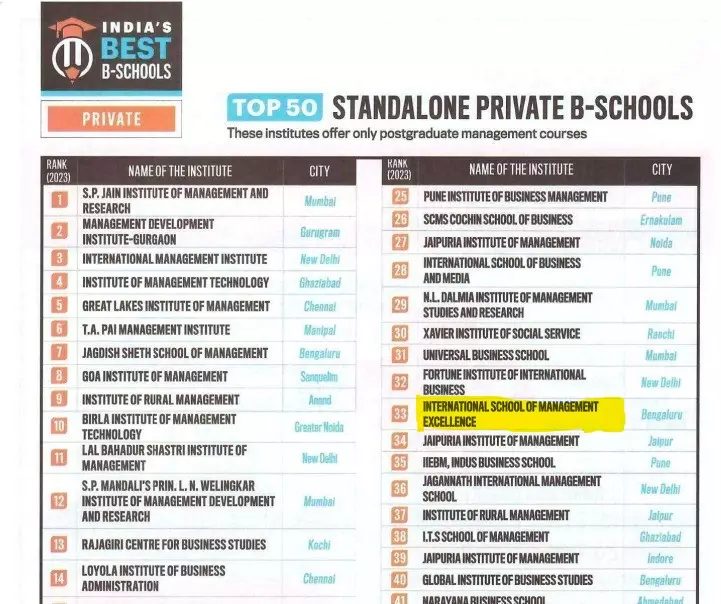
Amrutha.KP – Assistant Professor – International School of Management Excellence -Bangalore
3. Course Relevance:
This case study is relevant to Consumer Finance, FinTech, Risk Management, and Behavioral Economics. It explores how the BNPL model has penetrated the Indian market, impacting consumer behavior, financial inclusion, and regulatory frameworks.
4. Academic Concepts:
- Consumer Credit: The growth of BNPL as a new form of credit in India.
- Behavioral Finance: Psychological factors influencing Indian consumers’ adoption of BNPL.
- Risk Assessment: Understanding the risks for both consumers and BNPL providers.
- Financial Regulation: The evolving regulatory environment in India for BNPL services.
5. Background:
Buy Now, Pay Later (BNPL) services have witnessed a dramatic rise in India in recent years. Platforms like Bajaj Finserv, LazyPay, Simpl, PhonePe, and Paytm have capitalized on the growing trend of e-commerce, offering interest-free installment options for consumers. The model gained significant traction during the COVID-19 pandemic, which accelerated the shift to online shopping and digital payments.
While BNPL has provided a much-needed financial solution for many Indian consumers, especially those with limited access to traditional credit, it has raised concerns regarding its sustainability, potential for debt accumulation, and the need for a robust regulatory framework.
In India, the BNPL model allows consumers to shop online and defer payments for goods and services without paying any interest if paid within a certain period. BNPL is often marketed as an alternative to credit cards, but without the stringent approval processes and interest rates associated with traditional credit options. With more players entering the market, it is crucial to understand the impact of this model on the Indian economy, consumer spending behavior, and financial health.
6. Introduction:
The BNPL model has experienced rapid adoption in India, driven by a large, young, digitally connected population. The ease of access, flexibility in payments, and an expanding e-commerce sector have made BNPL attractive to consumers. However, while BNPL has facilitated financial inclusion for many, especially the underserved sections of society, the risks of over-borrowing, financial mismanagement, and lack of regulation are real concerns.
This case study explores the rise of BNPL services in India, examines the market dynamics, consumer behavior, and the risks associated with BNPL, and discusses the role of regulators in this evolving financial landscape.
7. Case Description:
7.1. Growth and Popularity of BNPL Services in India:
India’s rapidly expanding e-commerce sector, which is projected to reach USD 200 billion by 2026, has created a fertile ground for BNPL services. According to a report by Assocham, BNPL transactions in India grew by more than 50% in the last two years. The availability of interest-free installments, quick approval processes, and the growing adoption of mobile wallets and UPI (Unified Payments Interface) have made BNPL an attractive option for many consumers.
Platforms like Bajaj Finserv, LazyPay, Simpl, ZestMoney, and Paytm Postpaid are popular in the Indian market, partnering with leading e-commerce companies like Flipkart, Amazon India, Myntra, and BigBasket to offer BNPL services. The model is designed to provide financial flexibility to a younger demographic that may not have access to traditional credit options like credit cards or personal loans.
For example, Simpl allows users to buy products across a wide range of e-commerce platforms and pay for them in 14-30 day installments without charging any interest, provided the payment is made on time.
The Growth of Digital Payments and E-Commerce in India:
The Indian government’s push towards Digital India and the rise of UPI payments have been instrumental in enabling the growth of digital-first financial services. The increasing smartphone penetration and the rise of young, digitally-savvy consumers have further accelerated the adoption of BNPL services in India.
7.2. Consumer Demographics and Usage Patterns:
The typical BNPL consumer in India is a young, tech-savvy individual. According to a Nielsen India report, 70% of BNPL users are between the ages of 18 and 35, with the majority of them being millennials and Generation Z. This demographic is highly active on social media, frequently shops online, and is more likely to seek financial products that offer convenience, instant approval, and flexible repayment terms.
BNPL is particularly popular among first-time credit users, including students and young professionals who may not yet have access to credit cards or personal loans. These consumers are drawn to the simplicity of BNPL platforms, which often require minimal documentation and offer instant approval.
Many users turn to BNPL for purchasing gadgets, electronics, fashion items, and groceries. As per a survey by Assocham, 50% of consumers using BNPL platforms in India use it for electronics and gadgets, while 30% use it for fashion and personal care.
7.3. Regulatory Challenges in India:
Unlike traditional credit cards and loans, BNPL services are relatively unregulated in India, leading to a regulatory vacuum. The Reserve Bank of India (RBI) has not yet implemented clear regulations for BNPL services, despite growing concerns over consumer debt.
Key concerns include:
- Debt accumulation: Consumers can quickly accrue large debts from multiple BNPL purchases, especially when paying in installments for different products simultaneously. This is exacerbated by the ease with which credit is extended without stringent checks.
- Lack of transparency: BNPL platforms in India often have vague terms and conditions, especially regarding late fees, penalties, and the exact repayment terms.
- Consumer protection: There is limited consumer protection against over-borrowing, as BNPL platforms are not required to report usage to credit bureaus. This lack of credit reporting means that consumers’ debts from BNPL services may not show up on their credit reports, leading to an inaccurate financial profile.
While some steps have been taken by the RBI and Securities and Exchange Board of India (SEBI) to regulate the sector, including pushing for better disclosure and transparency, BNPL remains a largely unregulated space in India.
7.4. Risks Associated with BNPL in India:
While BNPL provides a flexible way for consumers to make purchases, there are significant risks involved:
7.4.1. Over-Indebtedness:
Many users, especially younger consumers, may not fully understand the long-term consequences of using BNPL. While the installment option seems attractive, the risk of over-indebtedness is significant if consumers fail to manage multiple BNPL payments across different platforms.
In 2020, The Economic Times reported a surge in complaints related to BNPL defaults. Consumers often miss payments, leading to hefty late fees, which can accumulate quickly, exacerbating financial stress.
7.4.2. Behavioural Impacts:
From a behavioral finance perspective, BNPL exploits the psychological concept of present bias, where consumers prefer immediate gratification (buying products now) over future costs (repayments). This leads to increased consumption, often beyond what consumers can afford, resulting in long-term financial strain.
7.4.3. Lack of Creditworthiness Checks:
Most BNPL platforms in India do not conduct thorough creditworthiness checks before extending credit. This leads to a situation where people who may not be financially equipped to handle credit are allowed to purchase products on easy installments. This may create a ticking time bomb of non-performing loans (NPLs).
7.5. The Role of Financial Literacy:
While BNPL may offer convenience, it also highlights a financial literacy gap. Many young consumers in India may not fully understand the concept of debt and the consequences of late payments. It is essential for BNPL providers and regulators to ensure that financial education is a part of the BNPL experience.
7.6. Case Study of Paytm Postpaid and LazyPay:
Paytm Postpaid, an extension of the popular digital payments app, offers users an option to purchase goods and services on a “Buy Now, Pay Later” basis. Paytm Postpaid’s user base is largely composed of urban millennials. The platform allows users to shop at thousands of merchant outlets and pay in installments with minimal documentation.
Similarly, LazyPay from PayU has attracted significant attention in India for offering seamless integration with UPI payments and easy accessibility for the unbanked and underbanked population.
Despite their popularity, both Paytm Postpaid and LazyPay have faced criticisms related to user defaults and growing consumer debt.
8. Teaching Note:
This case serves as a comprehensive study of the BNPL model in the Indian context. It allows students to:
- Examine how BNPL can foster financial inclusion and enhance e-commerce growth.
- Analyze the risks and potential pitfalls for consumers using BNPL platforms.
- Discuss the regulatory frameworks necessary to safeguard consumers and maintain financial system stability.
9. Learning Objectives:
By the end of this case study, students will be able to:
- Assess the rise of BNPL services in India and the factors driving their adoption.
- Understand the consumer behavior behind BNPL usage, particularly among younger populations.
- Evaluate the risks of debt accumulation and the need for regulatory intervention.
- Propose solutions to mitigate the negative impact of BNPL on consumer financial health.
10. Key Discussion Points:
- Is BNPL sustainable in India given the lack of regulatory oversight?
- How can regulators balance innovation with consumer protection in the BNPL space?
- What steps can BNPL providers take to improve consumer awareness and financial literacy?
11. Suggested Classroom Activities:
- Group Debate: Organize a debate on the pros and cons of BNPL in India. One side argues that BNPL improves financial access, while the other highlights the risks of consumer debt.
- Case Comparison: Compare BNPL with traditional credit cards and personal loans in terms of interest rates, approval processes, and consumer accessibility.
- Role Play: Simulate a scenario where students act as BNPL providers and regulators discussing the need for clearer regulations and better consumer education.
12. Discussion Questions:
- How can BNPL be used responsibly by Indian consumers, given the risks of debt accumulation?
- What role should regulators play in the growth of BNPL in India?
- Should the government encourage the growth of BNPL platforms, or impose stricter regulations to protect consumers?
13. Conclusion:
The BNPL model presents an exciting opportunity to revolutionize consumer credit in India, offering flexibility and accessibility to underserved populations. However, it also brings forth significant risks that need careful management. A robust regulatory framework, coupled with consumer education, is essential to ensure that BNPL remains a positive force for financial inclusion without exacerbating the debt problem in India.
14. References:
- Assocham Reports on BNPL
- The Economic Times (2020) – “BNPL Default Cases Rise”
- RBI Guidelines on Digital Credit
- Consumer Financial Protection Bureau Reports (for comparative analysis)
- Paytm Postpaid, LazyPay, and Simpl Case Studies